5 Tips for Independent Steps from a Pediatric PT (Without Rushing the Process)
Watching your baby take their first steps is one of the most exciting milestones of early childhood. But here’s something most parents aren’t told:
Independent steps doesn’t just “happen”… it’s built.
From a pediatric physical therapy perspective, walking is the result of multiple foundational skills stacking together over time: strength, balance, coordination, and confidence.
If your little one is pulling to stand, cruising, or almost taking steps, these 5 expert-backed tips will help set them up for walking success, without pressure or rushing.
Why Walking Takes Time (And That’s a Good Thing)
Before we dive in, it’s important to understand this:
Independent steps are the result, not the starting point.
Your baby moves through a natural progression:
- Pulling to stand
- Cruising along surfaces
- Standing balance
- First independent steps
Each phase builds the next. Skipping steps or rushing the process can actually make walking harder, not easier.
1. Master Pulling to Stand (The Right Way)
Pulling to stand isn’t just about getting upright; it’s about how your baby gets there.
PT Tip: Encourage a half-kneel position (one foot forward, one knee down) instead of both legs pushing at the same time.
Why it matters:
- Builds strength in each leg individually
- Improves coordination
- Prepares the body for stepping patterns
Try this: Place toys slightly above your baby’s reach on a stable surface to encourage them to pull up using one leg at a time.
2. Level Up Cruising Skills
Cruising (side-stepping along furniture) is a HUGE stepping stone toward walking.
But not all cruising is created equal.
PT Tip: Add small obstacles to challenge their movement.
Why it matters:
- Encourages weight shifting
- Builds hip strength
- Develops single-leg balance
Try this: Use rolled towels or couch cushions along the couch and guide your baby to step over them while cruising.
3. Build Balance Through Play
Balance is the secret ingredient to independent steps. Without it, babies rely on surfaces (or you!) for support.
PT Tip: Use dynamic surfaces to safely challenge balance.
Why it matters:
- Activates core muscles
- Improves body awareness
- Teaches the body to adjust to movement
Try this: Place your baby inside a laundry basket or storage bin and gently move them in a circle while they stand. Encourage them to stay upright and engaged.
4. Get Them Off the Wall
If your baby can cruise but won’t take independent steps, this is often the missing piece.
PT Tip: Bring play away from furniture and into the open space.
Why it matters:
- Builds confidence without relying on support
- Encourages problem-solving
- Promotes independent movement
Try this: Use a large exercise ball or push toy and let your baby take the lead while you guide lightly.
5. Focus on Confidence, Not Just Steps
Here’s the truth:
Walking is just as much about confidence as it is about strength. If your baby doesn’t feel safe or stable, they won’t let go.
PT Tip: Create opportunities for success, not frustration.
Why it matters:
- Builds trust in their body
- Encourages risk-taking (in a good way!)
- Leads to more consistent steps
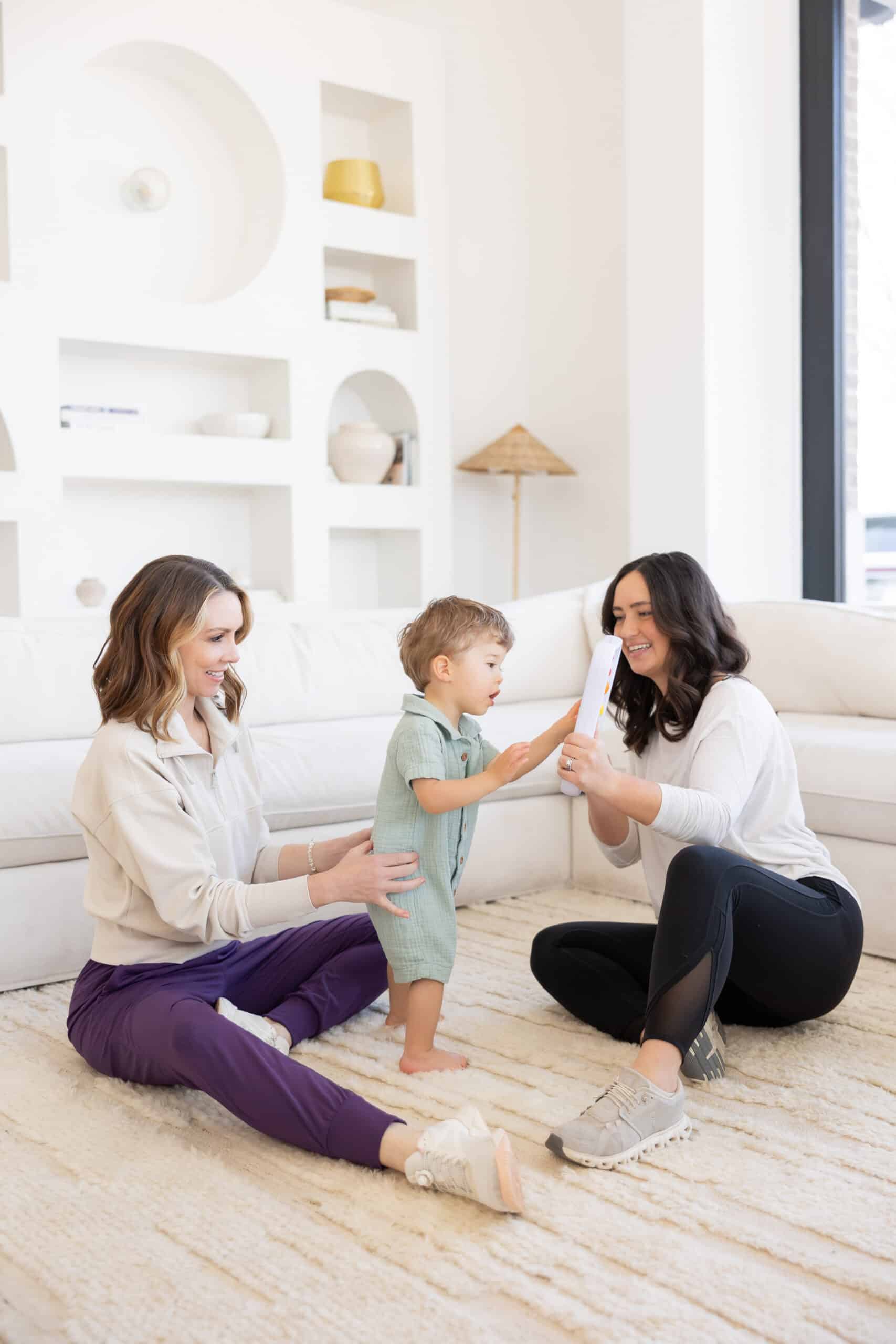
Try this: Practice short distances between you and another caregiver so your baby feels motivated—but not overwhelmed.
When Should You Be Concerned?
Every child develops at their own pace, but you may want to seek guidance if your baby:
- Isn’t pulling to stand by ~10–11 months
- Isn’t cruising by ~11–12 months
- Shows strong preference for one side
- Seems stiff, floppy, or uncoordinated
Early support can make a huge difference.
The Bottom Line
Independent steps don’t happen overnight—and they’re not supposed to.
When we focus on:
✔️ Strong foundations
✔️ Balanced movement
✔️ Confidence-building play
…walking becomes a natural next step, not a forced milestone.
Want More Step-by-Step Guidance?
If you’re ready to help your baby go from cruising → confident independent steps, we break it all down for you inside our expert-led masterclass.
Learn exactly what to do (and when to do it) to support your baby’s walking journey.
Need Additional Support?
At KinActive, we understand that every baby develops at their own pace, but we’re here to support you through every stage of your little one’s journey. If you have concerns about your baby’s motor development or are seeking guidance on gross motor milestones, we can help in a few ways.
- Take a masterclass. Best for parents needing professional guidance from the comfort of their own home.
- Book a Kamp. Best for parents with children experiencing atypical development.
- Book a virtual consultation with our clinic.