Typical or Atypical? Understanding Gross Motor Development for Kids Ages 4 and Under
When it comes to milestones and the term gross motor development, have you ever found yourself Googling:
- “Is it normal that my baby isn’t crawling yet?”
- “Why does my toddler fall so much?”
- “Should my child be walking by now?”
You are definitely not alone.
As a pediatric physical therapist, one of the biggest things we want parents to know is this:
Development is not a race.
Children grow, move, and learn at different speeds, and there is a wide range of what can be completely normal. Some kids are cautious movers. Some jump into everything fearlessly. Some hit milestones early, while others simply take a little more time.
The goal is not to compare children to one another. It’s to understand your child’s unique movement patterns and know when extra support might be helpful.
This article is meant to guide and reassure…not scare you.
What Is Gross Motor Development?
Gross motor skills are the big body movements that allow children to explore and interact with the world around them.
These include things like:
- Rolling
- Sitting
- Crawling
- Walking
- Running
- Jumping
- Climbing
- Balancing
These skills develop gradually over time as children build:
- Strength
- Coordination
- Balance
- Confidence
- Body awareness
And just like adults, every child has their own personality and comfort level with movement.
What Does “Typical” Development Really Mean?
One of the biggest misconceptions about milestones is that there’s one “correct” timeline.
In reality, developmental ranges are broad.
For example:
- Some babies crawl at 7 months.
- Some crawl at 10 months.
- Some barely crawl at all before walking.
That can all fall within typical development.
Similarly:
- Some toddlers are naturally cautious.
- Some are extra wobbly when they first walk.
- Some climb everything in sight.
- Others take their time building confidence.
Variation is normal.
So What Is “Atypical” Development?
Atypical development doesn’t automatically mean something is wrong.
It simply means a child may be having a harder time developing certain movement skills and could benefit from additional support, practice, or evaluation.
Sometimes children just need:
- More opportunities for movement
- Strength-building activities
- Help coordinating their body
- Time and encouragement
And sometimes parents simply need reassurance that what they’re seeing is okay.
Gross Motor Development by Age Birth to 6 Months
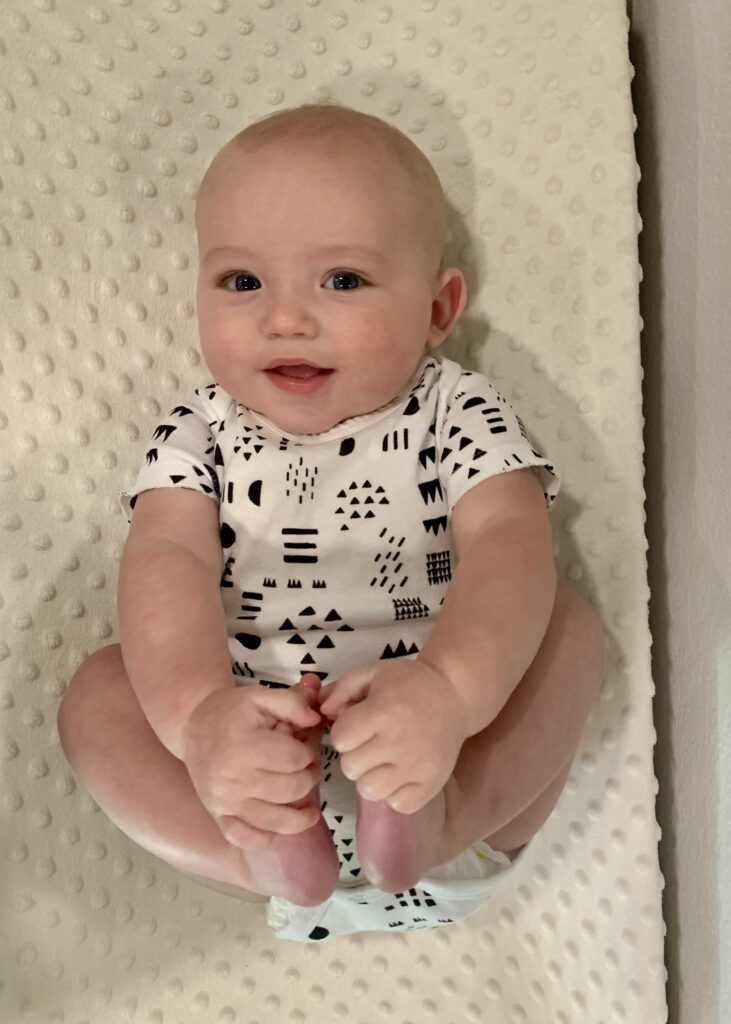
During these early months, babies are learning how to control their bodies and interact with their environment.
Common Skills You May See
- Lifting their head during tummy time
- Bringing hands to mouth
- Kicking legs
- Rolling
- Reaching for toys
- Pushing up on forearms
Some babies love tummy time immediately.
Others strongly dislike it at first, and that is very common.
When Parents Might Want Extra Guidance
It may be helpful to check in with a pediatric PT if your baby:
- Strongly prefers looking one direction
- Seems unusually stiff or floppy
- Really struggles tolerating tummy time over time
- Isn’t attempting rolling by around 6 months
Even then, it doesn’t necessarily mean something serious is happening. Often, early support simply helps babies become more comfortable moving their bodies.
6 to 12 Months
This stage is all about exploration and mobility.
Common Skills You May See
- Sitting independently
- Scooting or crawling
- Pivoting on the floor
- Pulling to stand
- Cruising along furniture
- Transitioning between positions
And yes, there are many different ways babies learn to move.
Not all babies crawl in the “classic” way, and some use creative movement patterns before walking.
When Parents Might Want Extra Support
You may benefit from talking with a PT if your child:
- Has difficulty sitting independently by around 9 months
- Uses one side of the body much more than the other
- Avoids putting weight through their legs or arms
- Seems frustrated trying to move
Again, support at this age is often gentle, play-based, and focused on helping babies build confidence.
12 to 24 Months
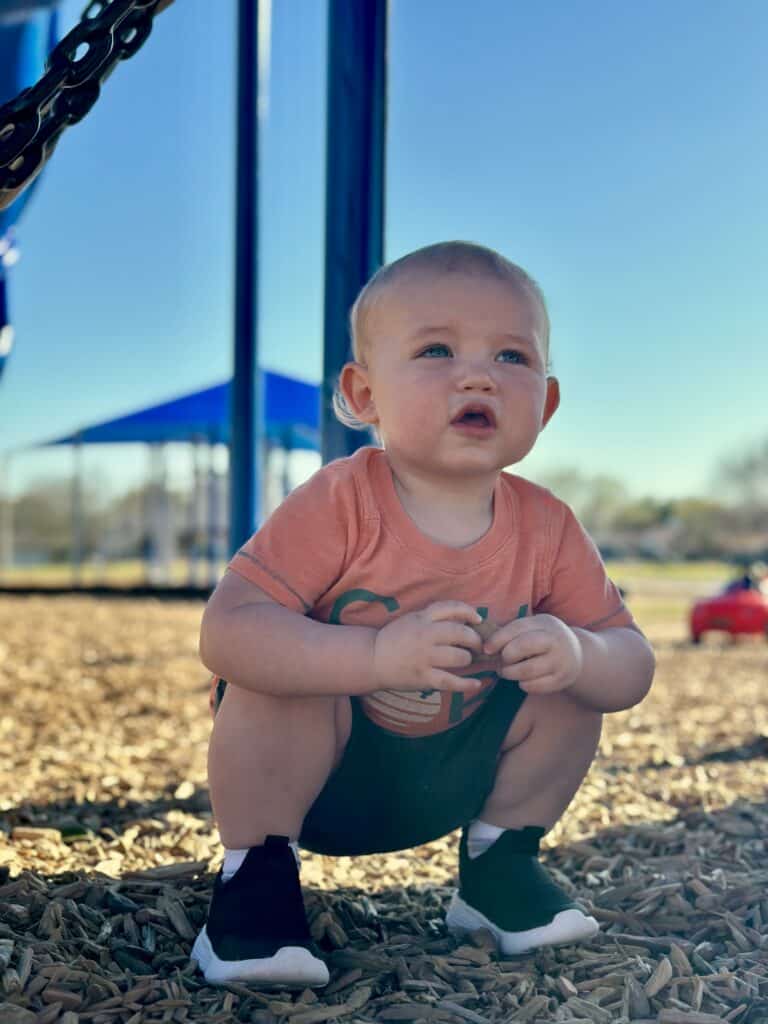
Toddlers are busy learning balance, coordination, and independence.
This stage can look wonderfully messy.
Common Skills You May See
- Walking independently
- Falling often
- Squatting during play
- Beginning to run
- Climbing furniture
- Pulling toys while walking
- Trying stairs
New walkers are often:
- Wobbly
- Wide-legged
- Unsteady
- Frequent fallers
That’s all part of learning.
When Parents May Want Guidance
A PT may help if your toddler:
- Is not walking by around 18 months
- Falls constantly without improvement over time
- Walks mostly on their toes
- Avoids climbing or uneven surfaces
- Seems very fearful of movement
Many toddlers simply need help building strength, balance, and confidence.
2 to 3 Years
At this age, children usually become more coordinated and adventurous movers.
Common Skills You May See
- Running
- Jumping with two feet
- Climbing playground equipment
- Kicking balls
- Beginning to balance briefly on one foot
Some kids become fearless climbers.
Others prefer to observe before participating.
Both can be normal personality differences.
When Extra Support May Help
You may consider an evaluation if your child:
- Avoids physical play regularly
- Struggles significantly compared to peers
- Falls very frequently
- Seems frustrated by movement activities
Sometimes kids just need opportunities to strengthen coordination and body awareness through play.
3 to 4 Years
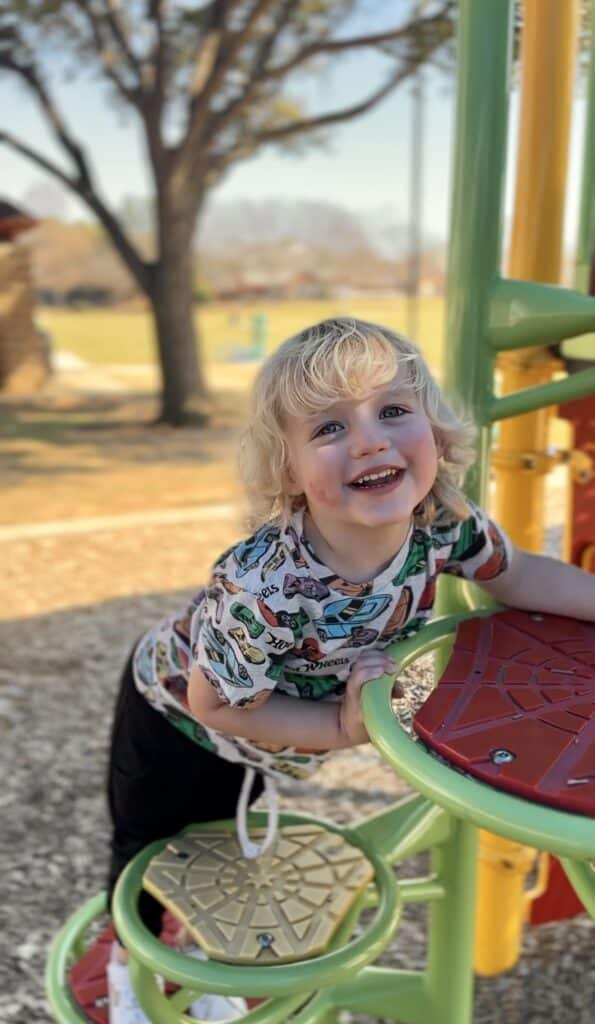
Preschoolers continue refining their balance, coordination, and motor planning skills.
Common Skills You May See
- Hopping
- Pedaling a tricycle
- Climbing confidently
- Jumping forward
- Navigating playgrounds more independently
Movement at this age often becomes smoother and more coordinated.
When Parents Might Want to Check In
It may help to talk with a PT if your child:
- Tires very quickly during play
- Struggles with balance consistently
- Avoids playground activities
- Seems much less coordinated than peers
This doesn’t mean your child is failing or behind. Sometimes they simply need extra support building motor confidence.
What Parents Need to Remember Most
1. Development Is a Range
There is rarely one “perfect” timeline.
Children grow at different rates, and many differences fall within completely typical development.
2. Movement Quality Matters Too
Sometimes it’s not just when a child reaches a milestone, but how they move through it.
That’s why pediatric PTs look at:
- Symmetry
- Coordination
- Balance
- Strength
- Confidence
Not just milestone checklists.
3. Early Support Is Never a Bad Thing
Getting support early does not mean something is seriously wrong.
In fact, early intervention is often:
- Simple
- Play-based
- Encouraging
- Empowering for parents
Sometimes families leave an evaluation simply feeling reassured.
Development Is a Journey, Not a Race
You know your child best.
If something feels off or if you simply want peace of mind, it’s always okay to ask questions. Seeking support does not mean you are overreacting or that something is seriously wrong. Sometimes parents simply need reassurance. Other times, a child may benefit from a little extra help building strength, coordination, confidence, or body awareness.
And that’s okay too.
Gross motor development is not about perfection or comparing your child to everyone else. It’s about helping children develop the skills they need to move through their world confidently and successfully.
Some kids need a little extra time.
Some need a little extra support.
And many simply need space to grow at their own pace.
Children are incredibly adaptable, and small changes early on can make a meaningful difference over time. No matter where your child is in their developmental journey, you are not behind, and you are not alone.
Need Additional Support?
At KinActive, we understand that every baby develops at their own pace, but we’re here to support you through every stage of your little one’s journey. If you have concerns about your baby’s motor development or are seeking guidance on gross motor milestones, we can help in a few ways.
- Take a masterclass. Best for parents needing professional guidance from the comfort of their own home.
- Book a Kamp. Best for parents with children experiencing atypical development.
- Book a virtual consultation with our clinic.