What I Notice in a Child’s Posture Within the First 30 Seconds
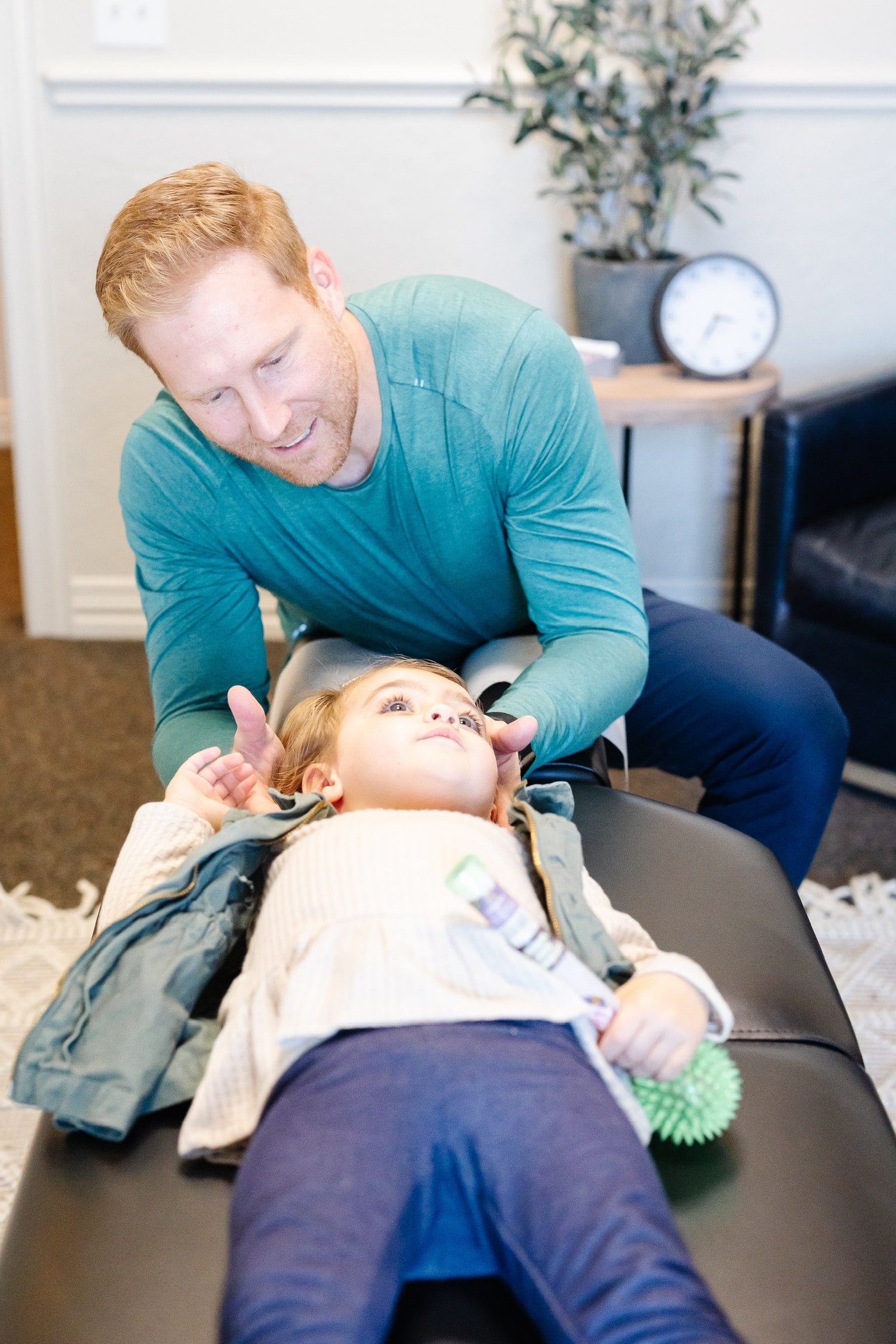
As a pediatric chiropractor, one of the first things I notice when a child walks into my office is how they carry their body, specifically the child’s posture.
Not because I’m looking for something “wrong.” But because posture can tell us so much about how a child’s body is functioning, compensating, and interacting with the world around them.
Within the first 30 seconds, I’m often observing subtle movement patterns that may give clues about:
- Balance
- Coordination
- Muscle tension
- Core strength
- Nervous system regulation
- Body awareness
- Comfort and confidence in movement
And here’s the important part:
Most of these observations are not meant to alarm parents.
Children are constantly growing and adapting. Many posture differences are temporary, developmental, or simply part of how a child moves through different stages. But sometimes, posture can help us identify areas where a child may benefit from extra support.
Why Posture Matters in Kids
Posture is more than “standing up straight.”
A child’s posture reflects:
- How their muscles are working together
- How they stabilize their body
- How they process movement and balance
- How they compensate for weakness or tension
- How efficiently their nervous system and body communicate
Good posture is not about perfection.
It’s about efficiency, balance, and comfort.
When the body is working harder than it needs to, kids may compensate in ways that show up through movement patterns, fatigue, coordination struggles, or discomfort.
What I’m Looking at Right Away
1. How They Stand Naturally
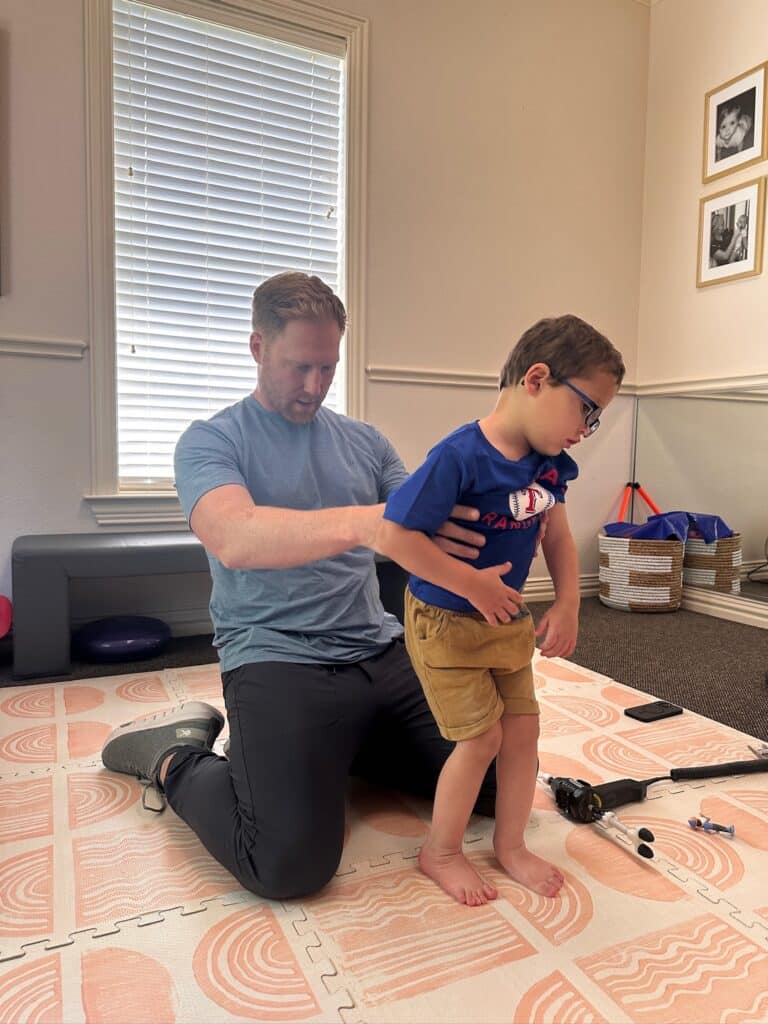
One of the first things I notice is how a child positions themselves when they’re simply standing still.
Do they:
- Lean heavily to one side?
- Lock their knees backward?
- Shift their weight unevenly?
- Stand with their feet turned far inward or outward?
- Constantly move because standing still feels difficult?
Sometimes this is simply habit or personality.
Other times it can reflect:
- Core weakness
- Balance challenges
- Joint instability
- Muscle tightness
- Compensation patterns
Children often adapt remarkably well, so subtle posture patterns can easily go unnoticed until they begin affecting movement, endurance, or coordination.
2. How They Walk Into the Room
Walking gives us a lot of information.
I often look at:
- Foot placement
- Arm swing
- Balance
- Coordination
- Symmetry
- Trunk movement
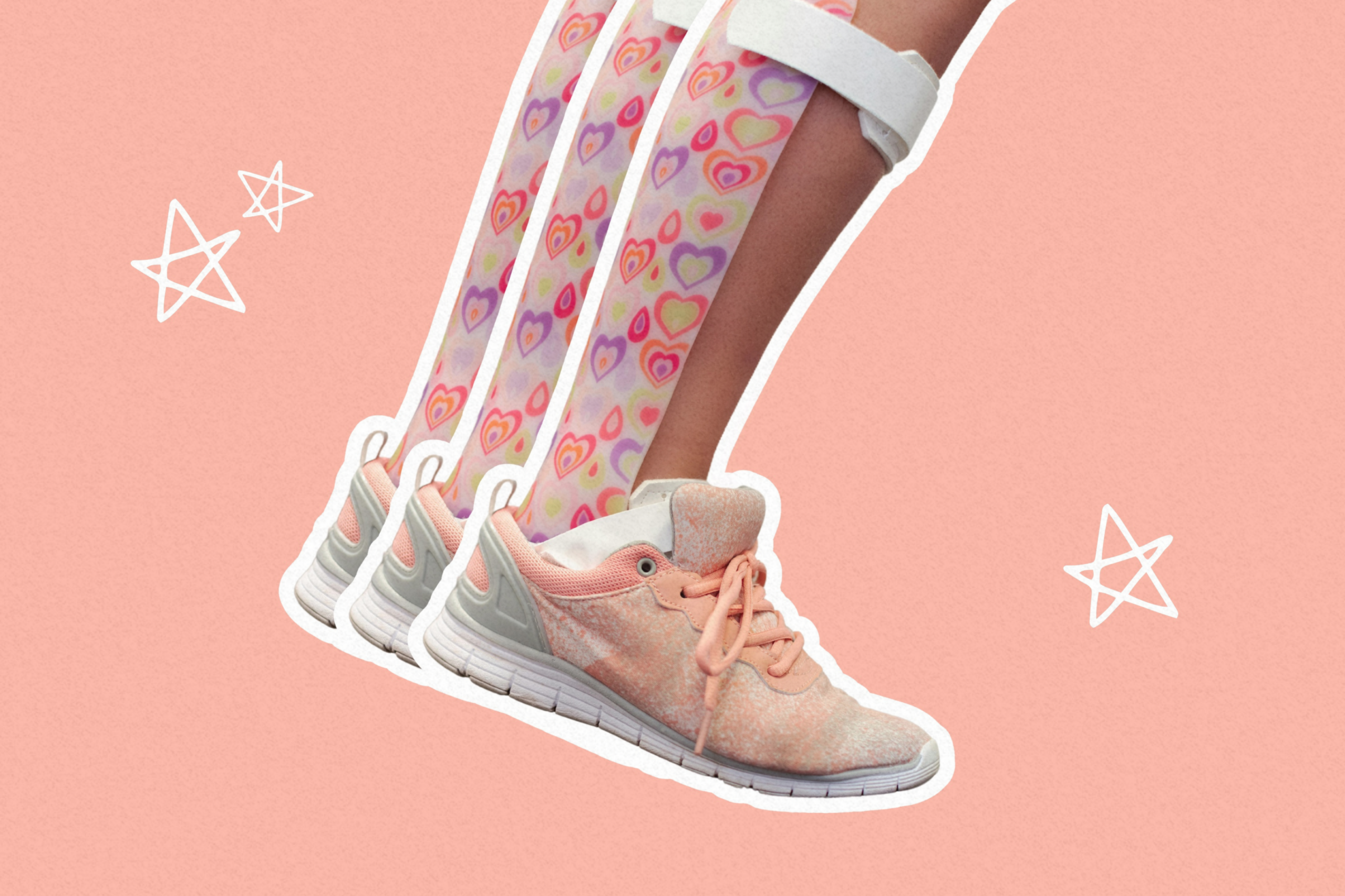
- Toe walking
- How smoothly they transition weight
Some kids move confidently and fluidly.
Others appear stiff, cautious, wobbly, or asymmetrical.
Again, this does not automatically mean something is wrong.
Children develop at different rates, and movement patterns can vary widely. But certain patterns may suggest the body is working harder than necessary.
3. Whether One Side of the Body Works Harder
Children naturally develop preferences, but significant side dominance early on can sometimes indicate imbalance or compensation.
For example, I may notice:
- One shoulder consistently higher
- One foot turning out more
- Preference pushing off one leg
- Leaning during standing or walking
- Using one side more during transitions
The body is incredibly smart. When one area feels weaker, tighter, or less stable, children often compensate automatically without realizing it.
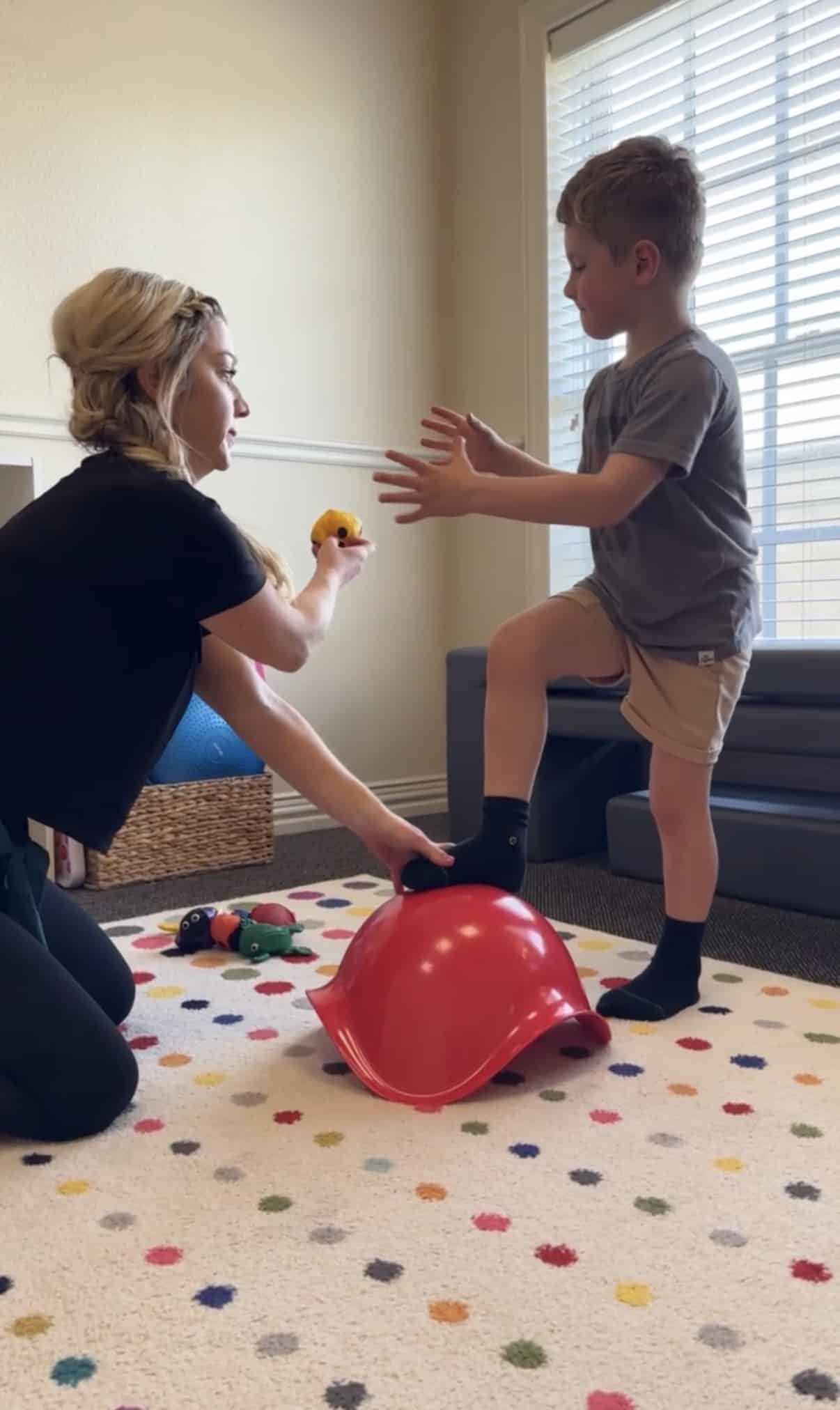
4. Core Stability and Body Control
A child’s core affects nearly everything:
- Balance
- Coordination
- Endurance
- Posture
- Movement efficiency
Sometimes kids who seem “clumsy” are actually working very hard to stabilize their body.
Signs I may notice include:
- Slouching frequently
- Difficulty sitting upright
- W-sitting often
- Leaning on surfaces constantly
- Fatiguing quickly during play
- Needing excessive movement to stay regulated
Core weakness is common and often very treatable through movement-based support and play.
5. Signs of Tension or Tightness
Some children carry significant tension in their bodies.
This can show up as:
- Toe walking
- Stiff movements
- Difficulty rotating
- Arching posture
- Limited mobility
- Avoiding certain positions
- Guarded movement patterns
Tension can come from many things:
- Growth patterns
- Sensory processing
- Compensation
- Birth history
- Movement habits
- Nervous system regulation
The goal is not to “fix” children, it’s to understand what their bodies may be communicating.
6. How Comfortable They Feel in Their Body
One of the biggest things I observe is confidence in movement.
Some kids naturally trust their bodies.
Others appear hesitant, cautious, fearful, or uncoordinated.
I often watch:
- How they climb
- How they transition positions
- Whether they avoid movement challenges
- How they respond to balance tasks
- Their overall body awareness
Movement confidence matters because it affects:
- Play
- Social participation
- Independence
- Emotional regulation
- Physical development
What Parents Often Worry About (That Can Actually Be Normal)
Parents are incredibly observant and understandably concerned when something looks different.
But many posture and movement differences fall within normal development.
Things that are often common in young kids:
- Temporary toe walking
- Wobbly new walkers
- Flat feet in toddlers
- Occasional W-sitting
- Clumsiness during growth spurts
- Frequent movement or fidgeting
- Mild asymmetries while developing strength
The important thing is whether a child continues progressing over time.
When Might Extra Support Be Helpful?
Sometimes posture patterns are simply developmental. Other times, children may benefit from additional support if posture differences are affecting:
- Comfort
- Coordination
- Endurance
- Balance
- Confidence
- Daily activities
A pediatric chiropractor may work alongside pediatric PTs, OTs, and other providers to help support:
- Movement quality
- Nervous system regulation
- Mobility
- Postural control
- Body awareness
Early support is not about labeling children. It’s about helping their bodies function more comfortably and efficiently.
What Parents Should Remember Most
Children are not meant to move perfectly.
They are learning, adapting, growing, and constantly changing.
As pediatric chiropractors, we are not looking for flaws; we are looking for opportunities to better understand how a child’s body is functioning and whether they may benefit from extra support along the way.
Sometimes, reassurance is all parents need.
Sometimes, small changes in movement make a huge difference.
And sometimes children simply need time to grow into their bodies.
No matter what, posture is only one small piece of the bigger picture.
My Final Thoughts
Within the first 30 seconds of watching a child move, we can often learn a lot about how their body is working together. But those observations are never about judgment.
They are about understanding:
- How a child moves
- How they compensate
- How they stabilize
- How confident they feel in their body
Every child develops differently, and posture is constantly evolving throughout growth and development.
If you ever have concerns about your child’s posture, coordination, or movement patterns, it’s okay to ask questions. Sometimes a little guidance, reassurance, or support can help children move through the world more comfortably and confidently.
Need Additional Support?
At KinActive, we understand that every baby develops at their own pace, but we’re here to support you through every stage of your little one’s journey. If you have concerns about your baby’s motor development or are seeking guidance on gross motor milestones, we can help in a few ways.
- Take a masterclass. Best for parents needing professional guidance from the comfort of their own home.
- Book a Kamp. Best for parents with children experiencing atypical development.
- Book a virtual consultation with our clinic.