Understanding Hypotonia: Why Intensive Therapy Can Transform Your Child’s Development
About The Author

In This Article
Pediatric Physical Therapy + Chiropractic Care Made Easy
Curious about physical therapy intensives, clinician training, or peer to peer support? Enter your email to get more info.
 4.8 rating
If your child has recently been diagnosed with hypotonia, you likely have questions: What is low muscle tone? Will my child develop normally? What actually works to help my child? We understand your concerns and we have good news. Your child’s hypotonia doesn’t define their future, and with the right therapy approach, children can achieve remarkable developmental gains.
What Is Hypotonia? A Clear Definition for Parents
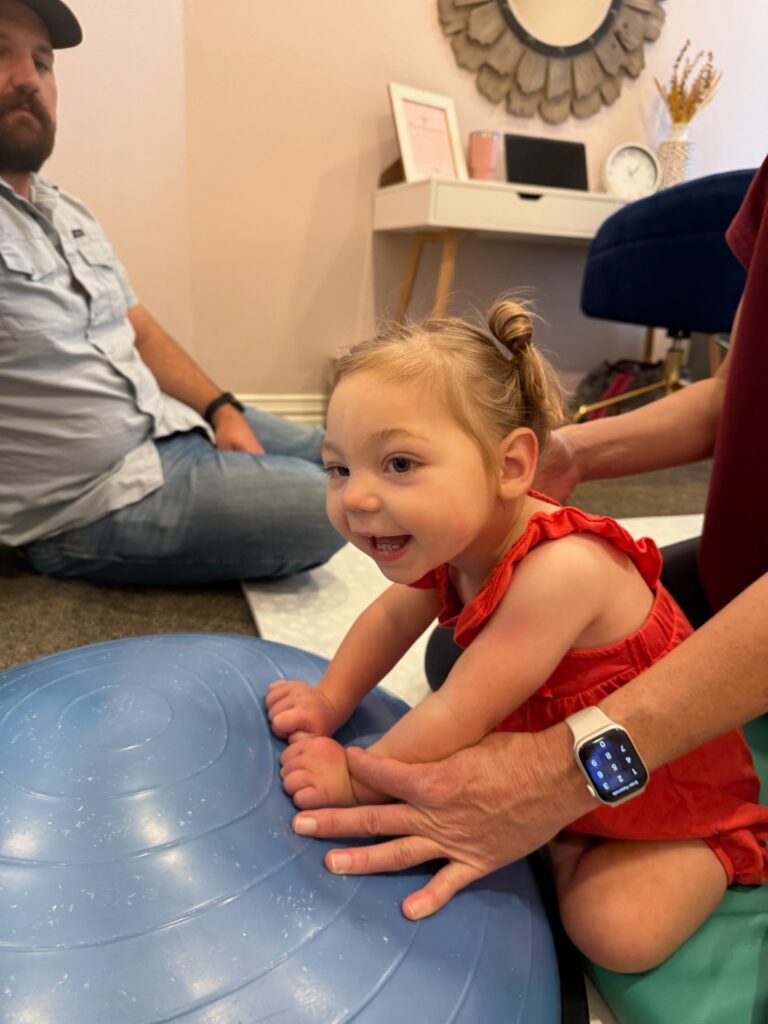
Hypotonia is the medical term for decreased muscle tone, commonly called “floppy baby syndrome” or “low muscle tone.” It’s important to understand that hypotonia isn’t a disease itself, but rather a symptom of various underlying conditions. Even at rest, our muscles maintain a baseline tension that gives them a springy, slightly resistant feel. In children with hypotonia, this natural resistance is significantly reduced, making muscles feel softer and more relaxed than expected.
Common Signs Your Child May Have Hypotonia
In Infants:
- Floppy or “rag doll” appearance when held
- Poor head control beyond 3 months of age
- Difficulty supporting weight on legs
- Weak cry or feeding difficulties
- Delayed developmental milestones (rolling, sitting, crawling, walking)
In Toddlers and Older Children:
- Poor posture with slumped shoulders
- Frequent falls and clumsiness
- Balance and coordination difficulties
- Fatigue during physical activities
- Speech delays or articulation issues
What Causes Hypotonia? Hypotonia can stem from various sources, including genetic conditions (Down syndrome, Prader-Willi syndrome), cerebral palsy, spinal muscular atrophy, metabolic disorders, or in some cases, no identifiable cause. Regardless of the underlying cause, early intervention through specialized therapy is crucial for optimal development.

Traditional Therapy vs. Intensive Therapy: Why One Works Better
Most families start with traditional physical therapy, typically one hour per week. While valuable, this approach has significant limitations. Children often develop therapy plateaus where progress slows or stops. With sessions spread weeks apart, they may lose ground between appointments. More concerning, research shows that weekly therapy alone may take months or years to achieve milestones that intensive programs accomplish in weeks.
Enter intensive therapy.
The Science Behind Intensive Therapy: How It Changes the Brain
Intensive therapy programs deliver multiple hours of concentrated treatment daily over consecutive weeks, harnessing the brain’s remarkable ability to adapt and learn a phenomenon called neuroplasticity.
Why Intensive Therapy Works: The Neuroplasticity Advantage
During childhood, the developing brain is exceptionally adaptable. High-frequency, repeated practice creates and strengthens neural pathways that control movement. Research on motor learning consistently shows that concentrated, massed practice accelerates neural adaptation far more effectively than traditional distributed (weekly) therapy.
Think of it this way: Your child’s brain learns movement patterns through repetition. Intensive therapy maximizes repetition within a short timeframe, allowing the brain to:
- Form new neural connections rapidly
- Strengthen pathways involved in motor control
- Develop automatic movement patterns that persist long-term
- Prevent skill regression between sessions
Clinical Evidence: What Research Shows
Studies document remarkable outcomes from intensive therapy programs:
- Brain imaging reveals measurable structural changes in motor pathways following intensive treatment
- Progress persists 6 months or more after the intensive program ends, these aren’t temporary gains
- None of the children in documented cases regressed after completing intensive therapy programs
One case study reported that children with cerebral palsy (which often includes hypotonia) made statistically significant improvements in gross motor function during intensive programs, with lasting benefits documented months later.
Key Benefits of Intensive Therapy for Hypotonia
1. Accelerated Progress: Your child accomplishes in weeks what might take months or years through traditional therapy.
2. Real Neurological Changes: Intensive therapy creates lasting rewiring of the nervous system, not just temporary improvements.
3. Breakthrough Moments: Parents consistently report “life-changing” progress: first independent steps, improved sitting balance, dramatic strength gains.
4. Sustained Momentum: Daily treatment prevents regression and maintains the brain’s focus on learning new movement patterns.
5. Holistic Development: Many intensive programs integrate physical therapy, occupational therapy, and speech therapy into coordinated care.
6. Confidence Building: Rapid skill acquisition dramatically boosts children’s confidence and motivation—creating a positive feedback loop for continued progress.
Why KinActive Kamp Is Different: The Integration of Two Professions to Bring You The Best of Both Worlds
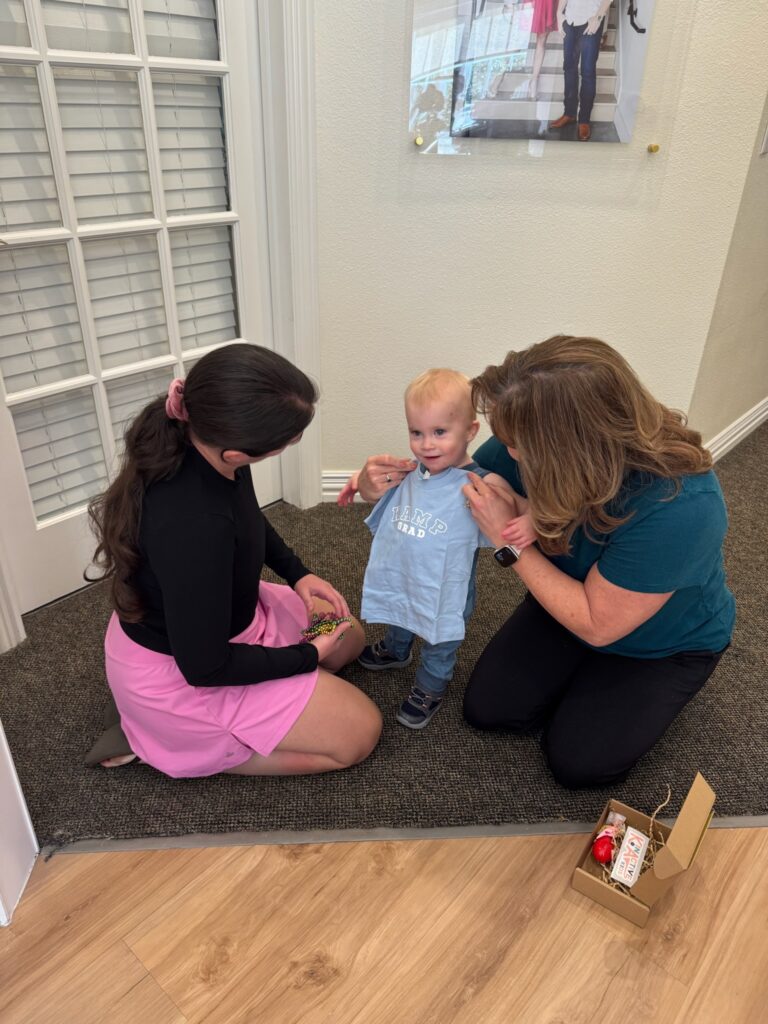
KinActive Kamp represents a revolutionary approach to intensive pediatric therapy. Created by Dr. Emily Heisey (PT, DPT) and Dr. Matt Otteman (DC), KinActive combines two powerhouse disciplines: physical therapy and chiropractic care. This integrated approach to intensive therapy they call “KinActive Kamps.”
What Sets KinActive Apart
The PT + Chiropractic Combination
Most intensive programs focus on physical therapy alone. KinActive’s game-changing approach recognizes that the nervous system is the gateway to developing strong motor skills that last. By combining pediatric physical therapy with pediatric chiropractic care, KinActive addresses the underlying neurological foundations of movement, not just the symptoms.
This integrated method:
- Optimizes nervous system awareness for better motor control
- Addresses structural and functional barriers to movement
- Takes a truly whole-body approach to development
Personalized 1:1 Care
Unlike large group programs, KinActive provides individual attention from top-tier clinicians. Your child receives customized treatment plans tailored to their specific needs, allowing therapists to adjust interventions in real-time based on response.
Breaking Through Plateaus
Many families come to KinActive after their child has plateaued in traditional therapy. The intensive, personalized approach combined with the PT + chiropractic integration specifically targets these stubborn plateaus, unlocking new progress.
Flexible Programs
KinActive offers 2, 3, and 4-week intensive programs, with custom lengths available for families with different needs.Financial assistance resources are also available through various foundations and grant programs.
Comprehensive Family Support
Beyond therapy sessions, KinActive includes:
- Extensive parent education on home exercise programs
- A family lounge for comfortable work or relaxation during Kamps
- Online access to educational videos and resources
- Peer support through the Mighty Networks community
Real Results from KinActive Families
Parents consistently share transformative outcomes:
“After trying numerous intensives with other clinics, we loved KinActive Kamp’s personal care and individualized treatment. This place is all that and then some!”
“Our 3-year-old daughter has improved so much in the past few months and is almost walking! The whole staff is super sweet!”
“My daughter is now sitting by herself, which I contribute all to Kamp! I am so happy with what we are seeing one week out of camp.”
Is Intensive Therapy Right for Your Child?
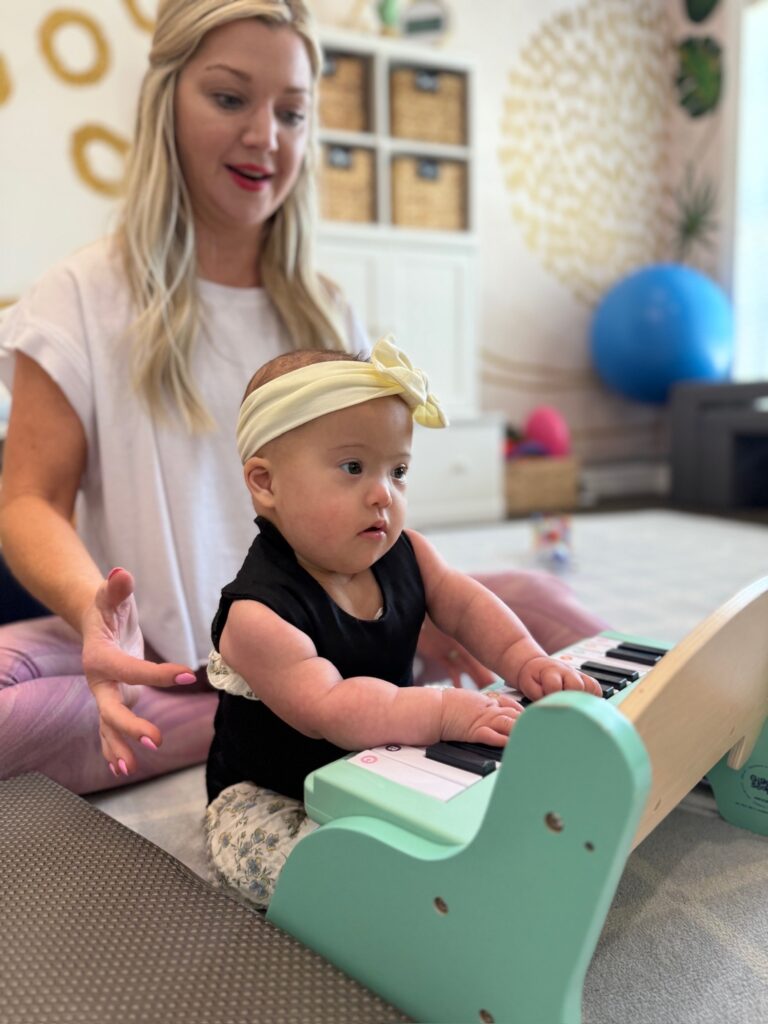
KinActive typically works with children from newborn through 5 years old, focusing on milestones and gross motor development rather than age alone. Ideal candidates include children with:
- Hypotonia and low muscle tone
- Neurological developmental delays
- Physical conditions affecting motor development
- Genetic conditions impacting gross motor skills
- Children plateaued in traditional therapy
Next Steps: Taking Action
If your child has hypotonia, waiting & hoping for spontaneous improvement isn’t the answer. Research overwhelmingly supports early intervention with intensive therapy as the most effective approach for achieving rapid, lasting developmental gains.
Contact KinActive Kamp to discuss whether an intensive program is right for your family. With the right intervention at the right time, your child can move from “floppy” to functioning and achieve independence and confidence faster than you thought possible.
Need Additional Support?
At KinActive, we understand that every baby develops at their own pace, but we’re here to support you through every stage of your little one’s journey. If you have concerns about your baby’s motor development or are seeking guidance on encouraging more traditional crawling, we can help in a few ways.
- Take a masterclass. Best for parents needing professional guidance from the comfort of their own home.
- Book a Kamp. Best for parents with children experiencing atypical development.
- Book a virtual consultation with our clinic.
We offer comprehensive services designed to support your baby’s physical development, from structured therapy sessions to hands-on advice that you can implement at home. Contact us today to schedule a consultation and help your baby reach their full potential. And don’t forget to follow us on social media for more tips and information on your baby’s development!