6 Tips to Help Toe Walkers: Pediatric PT’s Guide
What Is Toe Walking?
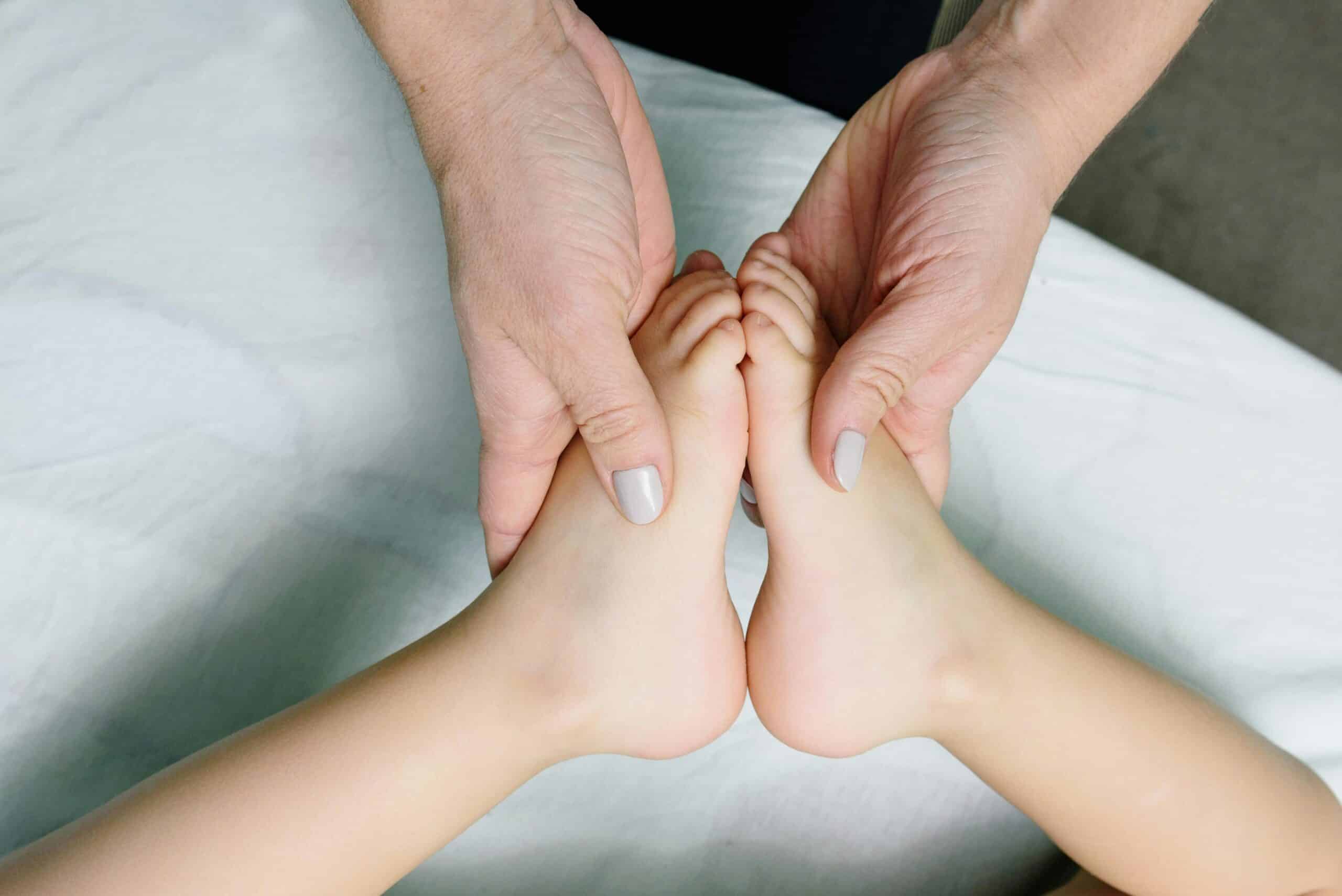
Toe walking refers to when a child walks on the balls of their feet instead of using a typical heel-to-toe pattern. While it’s common in toddlers learning to walk, persistent toe walking beyond age 2-3 can sometimes indicate underlying issues such as tight muscles, sensory preferences, or neurological conditions.
Why Address Toe Walking?
It might seem a little harmless, but prolonged toe walking can lead to tight calf muscles, difficulty with balance, and even foot or leg pain over time. The good news? There are actionable strategies to help toe walkers build healthy walking patterns.
Tips to Help Toe Walkers
1. Stretch Those Calves
Tight calf muscles are often part of the equation for toe walkers. Try incorporating gentle stretches like these ones:
- Wall Stretch: Have your child place their hands on a wall and step one foot back, keeping the heel on the ground.
- Seated Towel Stretch: With your child sitting on the floor, wrap a towel around their foot and gently pull it towards them while keeping the knee straight.
2. Squats: The Ultimate Stretch
Squats are one of the best exercises for strengthening and stretching tight heel cords, although they can be tricky for children with muscle tightness. Try using a wall for support:
- How-To: Back up to a wall with heels 6-8 inches away. Keep toes forward and squat down while reaching for a toy on the floor. Encourage your child to “push their booty against the wall” for balance. Here is my step by step guide for a visual on Instagram.
3. Strengthen Core and Ankles
Core and ankle strength are vital for balanced walking. Here’s how to work on them:
- Bridges: Lying on their back with knees bent, your child can lift their hips off the ground to engage their core.
- Heel Drops: Standing on a step with their heels hanging off the edge, your child can slowly lower and lift their heels to strengthen the lower legs.
4. Encourage Heel-to-Toe Practice
Make it fun! Incorporate games that promote proper gait:
- Obstacle Courses: Add cushions, your playroom nugget, or foam pads to a section of your obstacle course to encourage controlled heel-to-toe stepping.
5. Footwear Matters
Shoes with good arch support and a sturdy heel counter are key for discouraging toe walking and promoting stability. Steer clear of overly flexible or flat shoes. Check out this season’s roundup of my favorite affordable shoe options from Walmart. Bonus shoe shopping tip: High-top styles can provide extra support for a healthy gait pattern in toe walkers!
6. Sensory Integration
Sometimes, toe walking is linked to sensory preferences. Providing textured mats or encouraging barefoot play on different surfaces can help normalize sensory input and promote heel contact.
When to Seek Professional Help
If toe walking persists or is accompanied by other concerns (such as developmental delays or muscle stiffness), it’s worth reaching out. Early intervention can make a significant difference!
Toe Walking Myths Busted
Before you panic over Google’s latest horror stories, let me debunk a common myth: Not all toe walkers need surgery or braces. Many kids respond beautifully to targeted exercises and guidance.
Here for You, Always
At KinActive, we understand that every baby develops at their own pace, but we’re here to support you through every stage of your little one’s journey. If you have concerns about your baby’s motor development or are seeking guidance on encouraging more traditional crawling, we can help in a few ways.
- Take a masterclass. Best for parents needing professional guidance from the comfort of their own home.
- Book a Kamp. Best for parents with children experiencing atypical development.
- Book a virtual consultation with our clinic.
We offer comprehensive services designed to support your baby’s physical development, from structured therapy sessions to hands-on advice that you can implement at home. Contact us today to schedule a consultation and help your baby reach their full potential. And don’t forget to follow us on social media for more tips and information on your baby’s development!