Understanding Cerebral Palsy: Intensive Therapy & Your Child’s Future
About The Author

In This Article
Pediatric Physical Therapy + Chiropractic Care Made Easy
Curious about physical therapy intensives, clinician training, or peer to peer support? Enter your email to get more info.
 4.8 rating
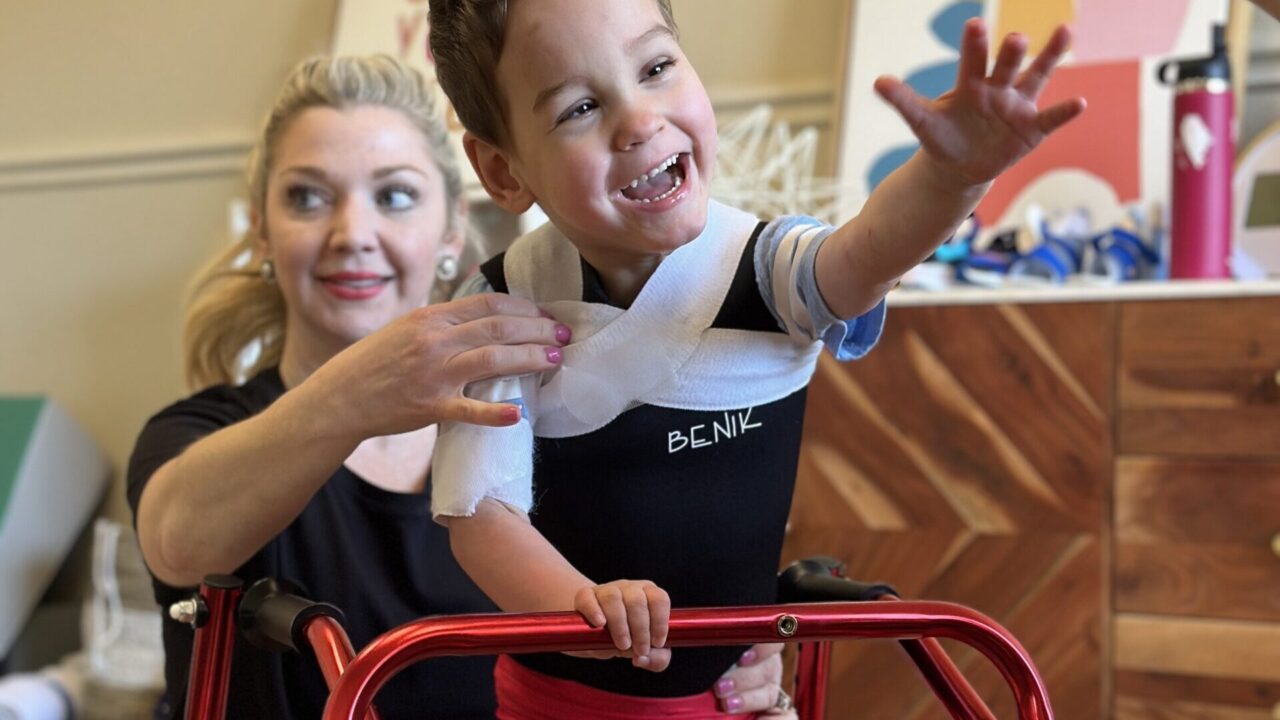
Your child’s cerebral palsy diagnosis is not the end of their story; it’s a new beginning with a different roadmap. Your child is still the same curious, funny, determined little person they were before anyone said the words “cerebral palsy,” and with the right support, especially early, intensive therapy, they can make powerful gains in independence and confidence.
What Cerebral Palsy Really Means
“Cerebral palsy” (CP) simply means your child’s brain processes movement differently. The word “cerebral” refers to the brain, and “palsy” refers to challenges with movement, posture, or muscle tone. It is the most common motor disability in childhood, affecting about 1 in 345 children in the United States.
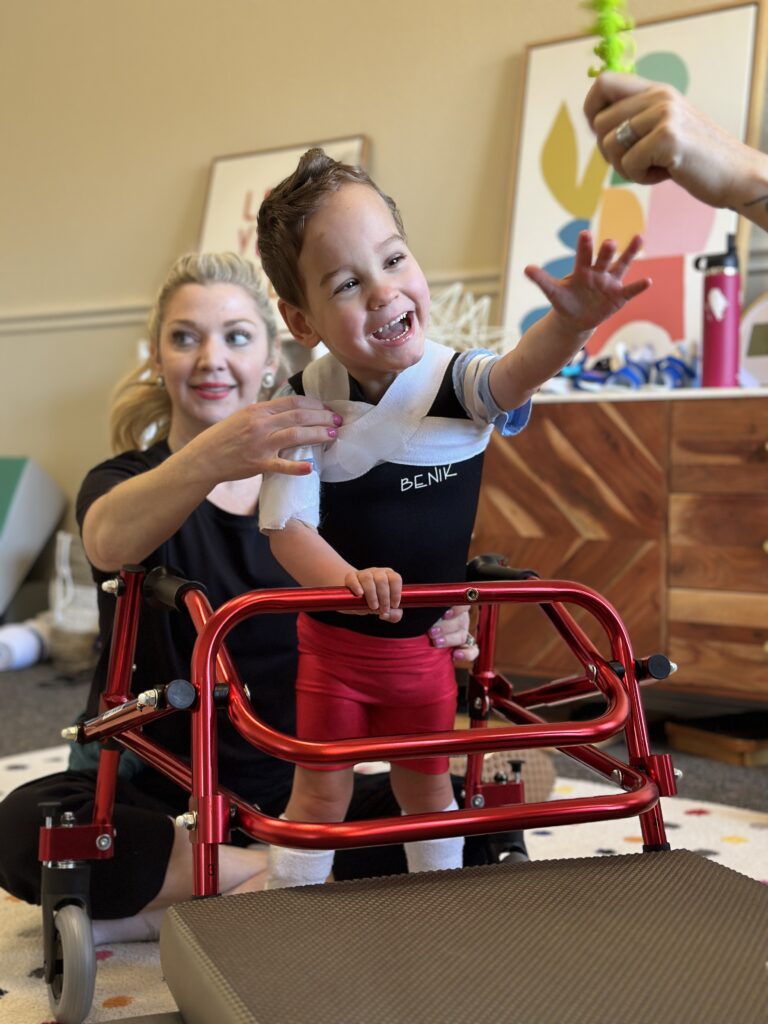
CP itself does not get worse over time. This means the original brain injury does not progress, but how it shows up in your child’s body can change as they grow. Some children have mild symptoms and walk and play with minimal support, while others may need equipment like walkers or wheelchairs, communication devices, and hands-on help for daily activities.
Many parents notice early signs long before the diagnosis:
- Their baby feels very stiff or very floppy when held.
- Milestones like rolling, sitting, crawling, or walking are delayed.
- Their toddler walks on toes, crosses legs (scissoring), or consistently uses one side more than the other.
Hearing these concerns turned into a formal label can feel like someone just wrote your child’s future in stone. It hasn’t. The diagnosis describes what’s happening now. The diagnosis does not define your child. At KinActive, you will see this phrase a lot: Where others see impossible, we see opportunity! And we believe in that wholeheartedly.
Types of CP and Why They Matter
Understanding your child’s type of CP helps you know what you’re seeing and what therapy may target. The most common forms include:
- Spastic CP: Stiff, tight muscles; about 80–83% of children with CP have this type.
- Dyskinetic CP: Involuntary, twisting or jerky movements that can affect posture, speech, and swallowing.
- Ataxic CP: Shaky, unsteady movements and balance problems, especially with fine motor tasks.
- Hypotonic CP: Very low muscle tone, “floppy” feel, poor head and trunk control, joint instability.
- Mixed CP: A combination of features, often spastic plus dyskinetic.
No matter the type, the thread that connects them all is this: your child can learn, adapt, and build new skills, especially when therapy is early, frequent, and focused.
Why Your Medical Team Is Important
CP doesn’t just affect what your child does in the clinic; it shows up in everyday moments like getting dressed, playing, climbing onto the couch, and joining siblings outside. Many children have challenges with:
- Mobility: Sitting with balance, crawling, standing, walking, using stairs, or keeping up with peers.
- Self-care: Feeding, chewing, swallowing, managing utensils, brushing teeth, bathing, dressing, toileting.
- Communication: Speaking clearly, coordinating breath and sound, or using words consistently; some children need or benefit from communication devices.
CP is also often accompanied by other challenges like seizures, vision or hearing differences, learning difficulties, or sensory processing issues. This is why a team approach including physical therapy, occupational therapy, speech therapy, and other medical providers is so important.
Why Weekly Therapy Often Isn’t Enough
Most families start with traditional weekly therapy: one or two sessions per week of physical, occupational, or speech therapy. This can absolutely help, but many parents eventually notice progress slowing or stopping.
There are a few reasons for this:
- One brief session a week doesn’t create enough repetition for the brain to deeply learn new movement patterns.
- Kids can lose momentum between visits, and therapists end up re-teaching instead of building on gains.
- Months or years can pass with only small changes, even though your child is working incredibly hard.
If your child has plateaued, or if you feel like therapy is just “maintenance,” it doesn’t mean your child can’t improve. It often means the dose and intensity of therapy need to change. Enter intensive therapy (we call them Kamps here at KinActive).
The Power of Intensive Therapy and Neuroplasticity
Children’s brains are highly adaptable. This adaptability is called neuroplasticity. It means the brain can form new connections, strengthen existing ones, and even reroute pathways when given the right input and practice.
Intensive therapy is designed to take advantage of this.
Instead of 1 hour a week, intensive programs provide several hours of targeted therapy per week for 2–4 weeks (or more). This “intensive repetition” gives the brain a clear message: this skill matters, let’s build stronger wiring for it.
Research in children with cerebral palsy shows that intensive programs can:
- Produce faster improvements in mobility, hand function, and daily activities than traditional weekly therapy.
- Lead to changes that last for months after the intensive ends.
- Be especially powerful when started early, during peak windows of brain plasticity in infancy and early childhood.
In addition to improved performance in therapy sessions, kids have shown meaningful gains in functional independence, hand use, and bimanual skills when delivered in intensive blocks.
On a parent level, this looks like:
- “He finally stood up from the floor by himself.”
- “She can sit and play without toppling over constantly.”
- “She held her cup with both hands for the first time.”
How Intensives at KinActive Are Helping Kids With CP Break Through Plateaus
At KinActive we call our intensives ‘KinActive Kamps’. Our unique approach uses all the benefits of intensive physical therapy while also adding in another profession that most don’t think about. This is our secret sauce! Our method combines two powerful disciplines:
- Pediatric Physical Therapy to build strength, balance, coordination, and functional skills.
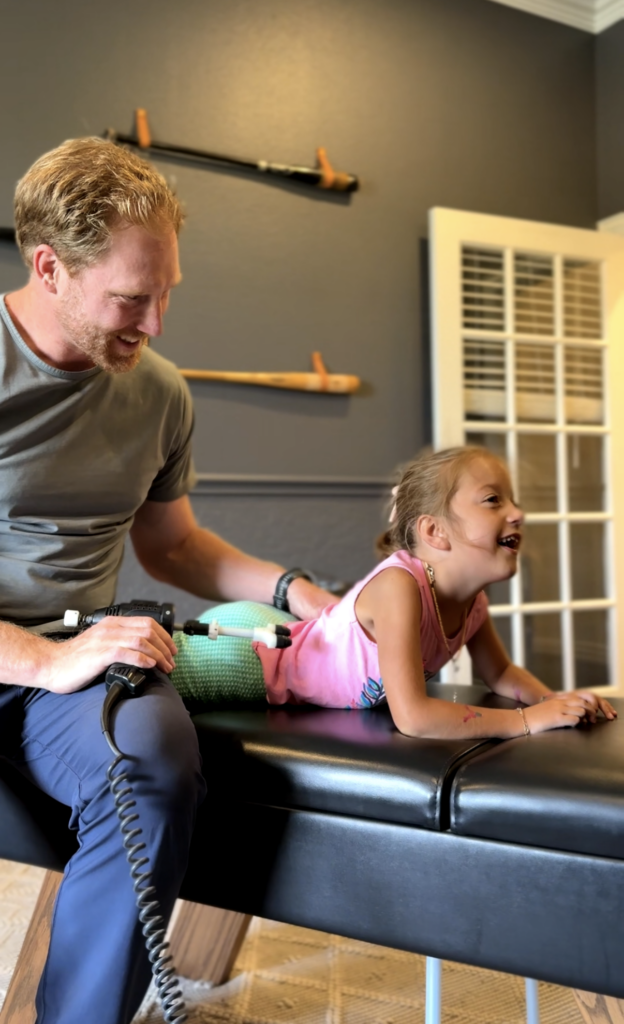
- Pediatric Chiropractic Care to support alignment and nervous system function, helping the brain and body communicate more effectively.
Because cerebral palsy is fundamentally a brain-based condition, working both on the nervous system and on functional movement can be especially helpful. Chiropractic care improves comfort, mobility, and postural control by addressing spinal and joint restrictions, while PT focuses on practicing meaningful tasks over and over in child-friendly ways.
At Kamp, your child receives:
- 1:1 individualized care, not a generic group protocol.
- A plan tailored to their specific type of CP, tone pattern, and goals (for example: sitting, crawling, walking, or independent transfers).
- Frequent reassessment and real-time adjustments, based on how they respond each day.
Many families who come to KinActive have already tried traditional therapy and even other intensives. What they often notice is:
- More personal attention.
- An integrated approach that addresses the whole child and takes into account the family.
- A focus on turning research on neuroplasticity and intensive dosing into something their child can actually take home with them.
Parents’ own words tend to say it best: they talk about “life-changing progress,” “breakthroughs after months of plateau,” and children who are suddenly closer to walking, sitting independently, or moving with more control and confidence.
Is Intensive Therapy Right for Your Child?
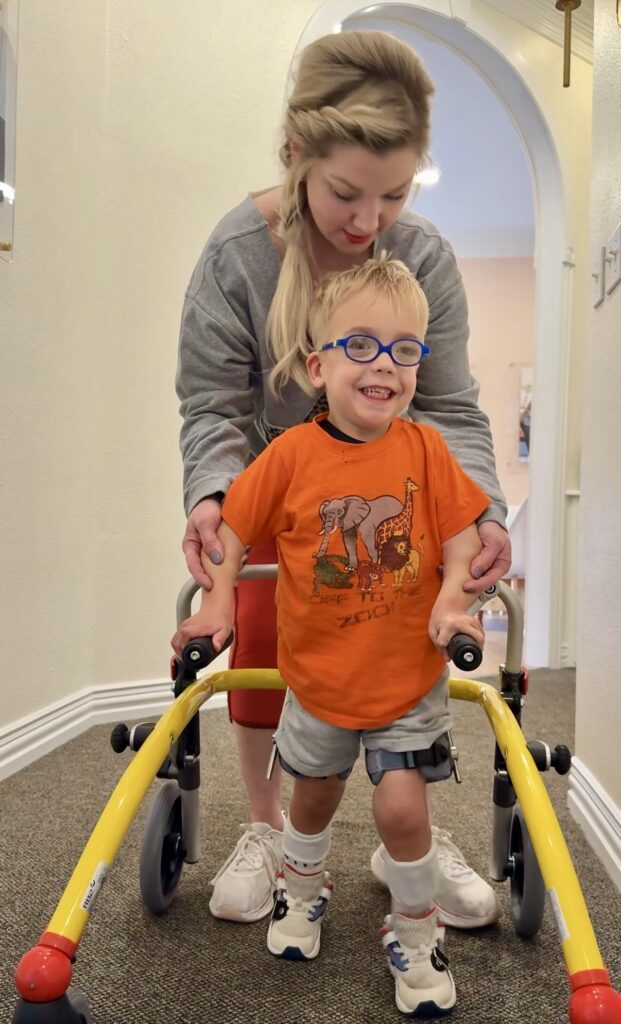
KinActive typically works with children from newborn through about age 5, but what matters most is your child’s developmental profile and goals, not just their birthday. Children with all types of CP (spastic, dyskinetic, ataxic, hypotonic, or mixed) may benefit, whether they are just learning to roll or already taking steps and needing better balance and coordination.
Intensive therapy may be especially worth exploring if:
- Your child is stuck at a certain motor milestone (like sitting, crawling, or walking).
- Progress in weekly therapy has slowed or stopped.
- You feel in your gut that your child needs “more” than what they’re getting.
- You want to take advantage of early neuroplasticity rather than “waiting and seeing.”
There are also grant and financial assistance programs that can help families access intensive care. We would be happy to point you toward those resources.
If you’re reading this and your chest feels tight, wondering whether you’re doing enough, you are already doing something vital: you’re looking for answers and options for your child. You don’t have to have everything figured out today. The next step can be as simple as reaching out, asking questions, and letting someone who understands walk through this with you. Our direct number is 817-224-2202. Call or text us any time.
Your child’s diagnosis is one chapter, not the whole book. With the right intensive support, especially early on, many children with cerebral palsy do more, move more, and live with more independence and joy than their parents were first told to expect. You and your child deserve a team that believes in that possibility. At KinActive, we promise to work every day to help your child reach their full potential and provide direct support for your family.
Need Additional Support?
At KinActive, we understand that every baby develops at their own pace, but we’re here to support you through every stage of your little one’s journey. If you have concerns about your baby’s motor development or are seeking guidance on encouraging more traditional crawling, we can help in a few ways.
- Take a masterclass. Best for parents needing professional guidance from the comfort of their own home.
- Book a Kamp. Best for parents with children experiencing atypical development.
- Book a virtual consultation with our clinic.
We offer comprehensive services designed to support your baby’s physical development, from structured therapy sessions to hands-on advice that you can implement at home. Contact us today to schedule a consultation and help your baby reach their full potential. And don’t forget to follow us on social media for more tips and information on your baby’s development!