Gross Motor Development for Infants and Toddlers
You may have heard about gross motor development for young children from a pediatrician or another professional, but in this blog, we’re going to break down the milestones your child should be hitting and what to do if they’re delayed in their development. It’s essential to understand that this is not about shaming your child or your parenting skills if your little one isn’t meeting these milestones. Rather, gross motor development is crucial for both movement and cognitive development, so it’s important to be aware of where your child is at in their growth journey.
What Are Gross Motor Skills?
Gross motor development hinges on something called gross motor skills. But what exactly are these skills? In simple terms, gross motor skills are the abilities that control the large muscles in the body. Movements such as crawling and walking are prime examples of gross motor skills. While there are many more complex movements that fall under this category, we’ll focus on the key milestones relevant to infants and toddlers.
You might also have heard about fine motor skills. The primary difference between the two is that fine motor skills involve more precise movements that utilize smaller muscles, like using scissors or picking up small objects. Both gross and fine motor skills are important for overall development, but fine motor skills typically develop after gross motor skills have been established.
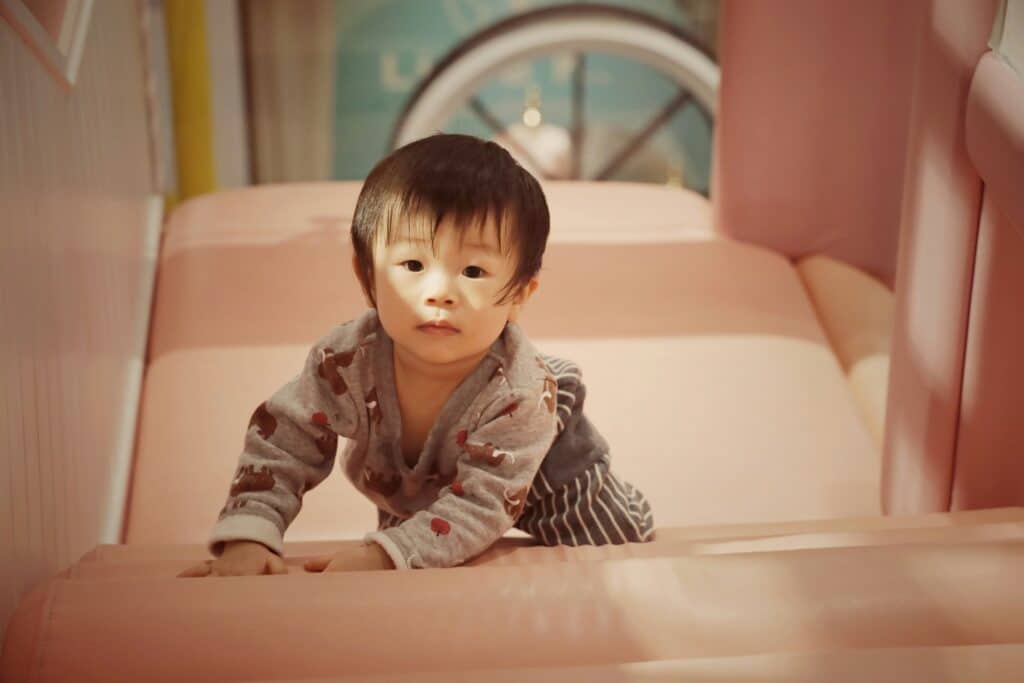
Gross Motor Development Milestones
Now, let’s explore the specific milestones that your little one should be achieving, breaking it down by age ranges.
Birth to 3 Months
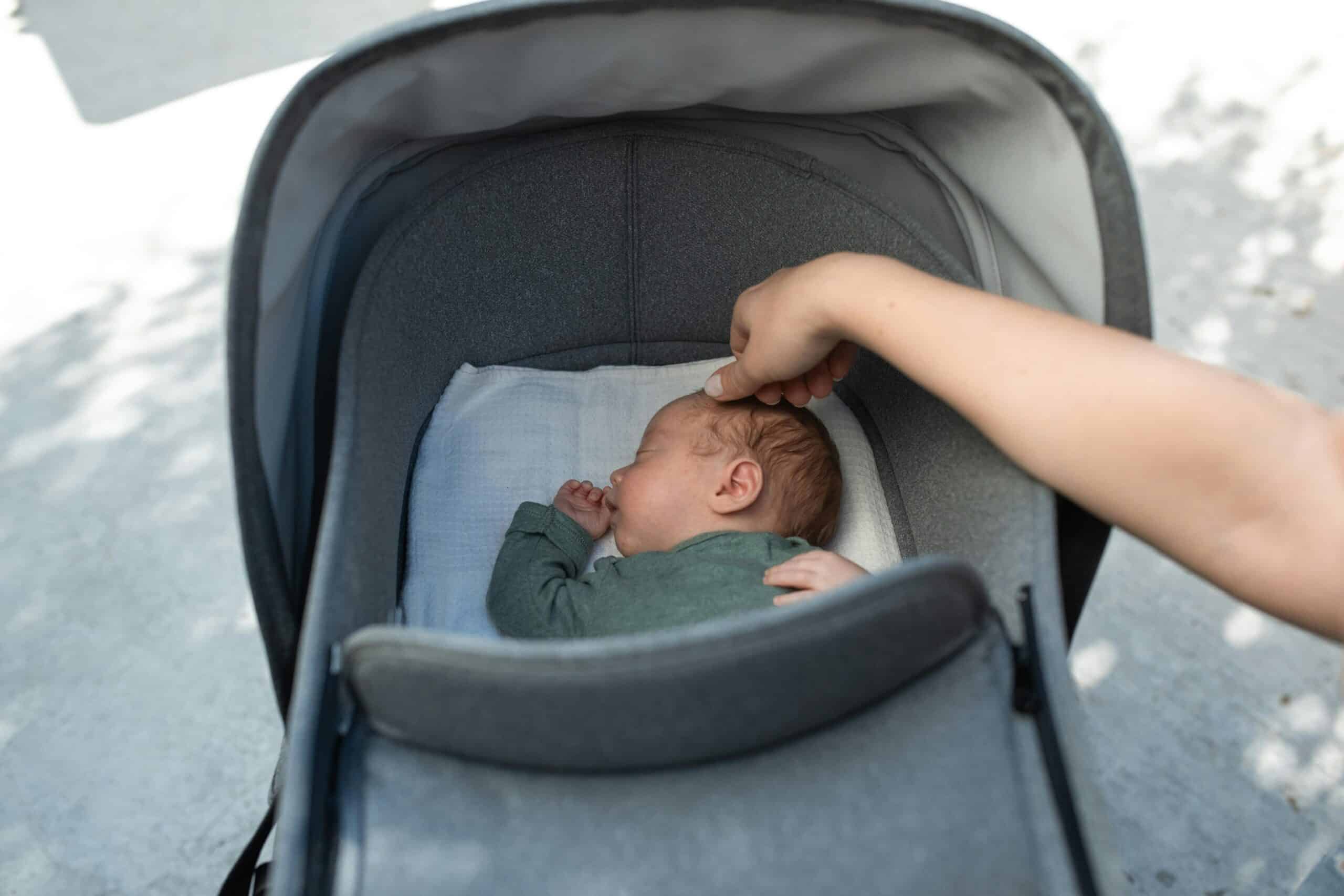
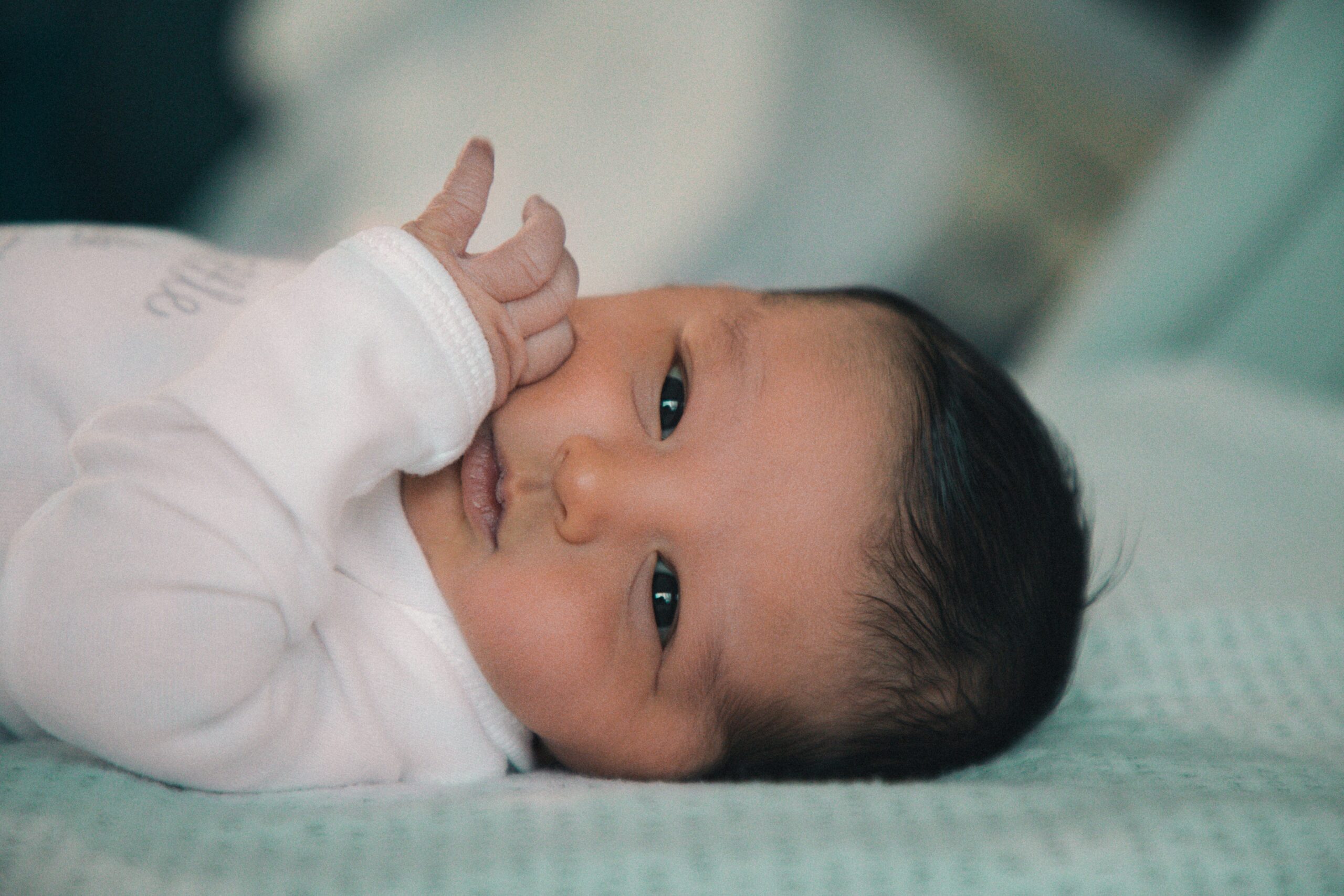
During the first few months of life, the most significant milestone your baby will reach is the ability to turn their head in both directions. At this stage, grasping objects is common, and other movements may be jerky and uncoordinated. If your baby tends to favor one side while lying on their back or stomach, don’t worry! We have a great blog post about this and ways you can support your baby’s development to ensure they’re moving towards balanced growth.
3 to 6 Months
In this next stage, your baby is gaining more control over their movements. Some key milestones during this period may include: pushing up through their arms while on their belly, bringing their feet to their mouth when lying on their back, and rolling over from back to front and vice versa. These actions may seem simple, but they are foundational skills that pave the way for more complex movements later on.
6 to 9 Months
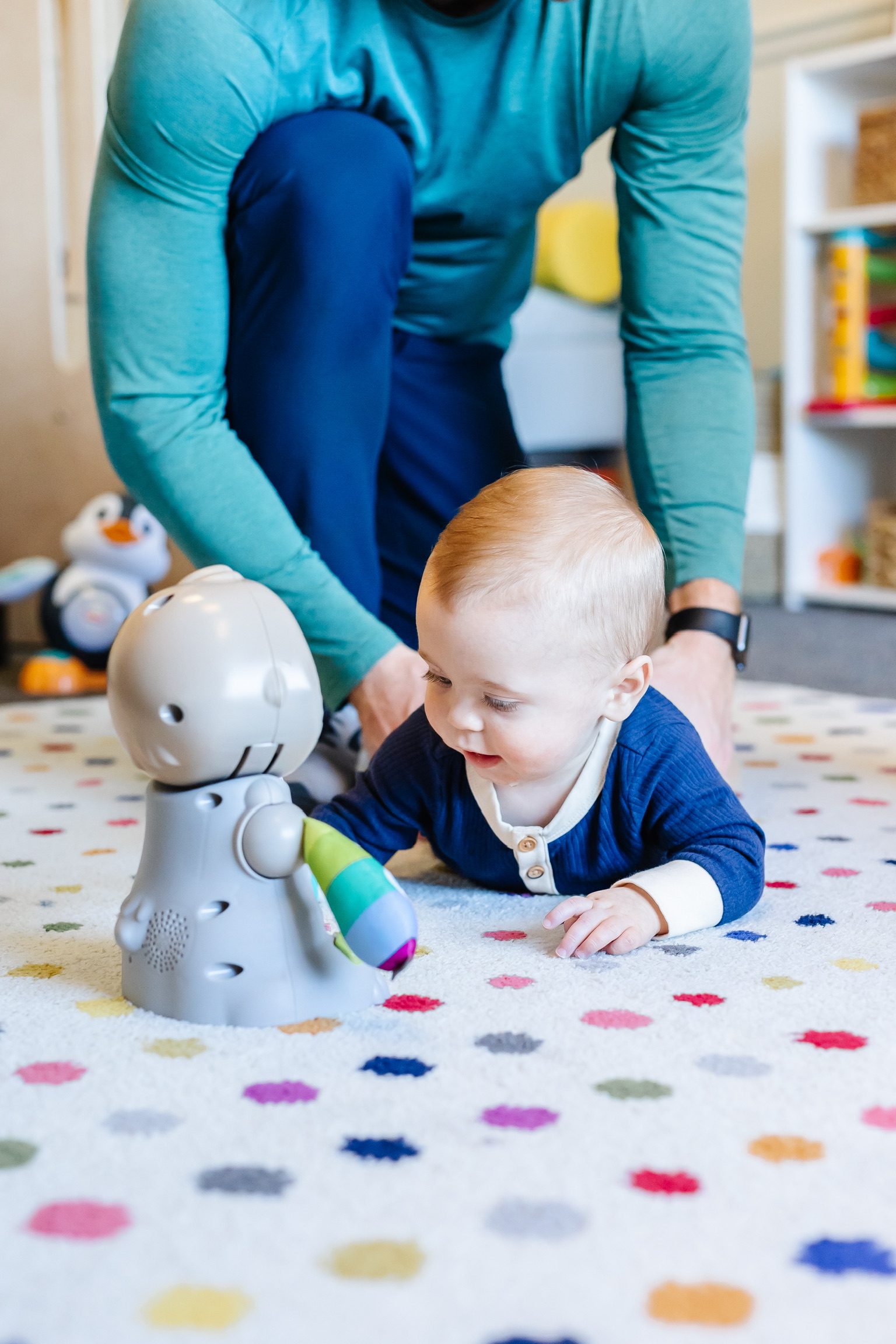
At this point, your child is beginning to exhibit a sense of independence in their movements. You may notice them sitting up unassisted, starting to crawl, or pulling themselves up to a sitting position. Other important milestones during this stage include holding a toy in each hand, rocking back and forth on hands and knees, and actively crawling to reach for toys or other objects of interest. It’s an exhilarating time as you watch your baby explore their environment with newfound mobility!
9 to 12 Months
This stage is particularly exciting because your baby is making significant strides towards independence—both physically and emotionally. Key milestones to look for include cruising along furniture, crawling over obstacles, using both hands to manipulate toys, walking while holding onto someone’s hands, and eventually taking their first independent steps. This period can be filled with joy and pride as you witness your baby’s determination to explore their world on their own terms.
1 Year
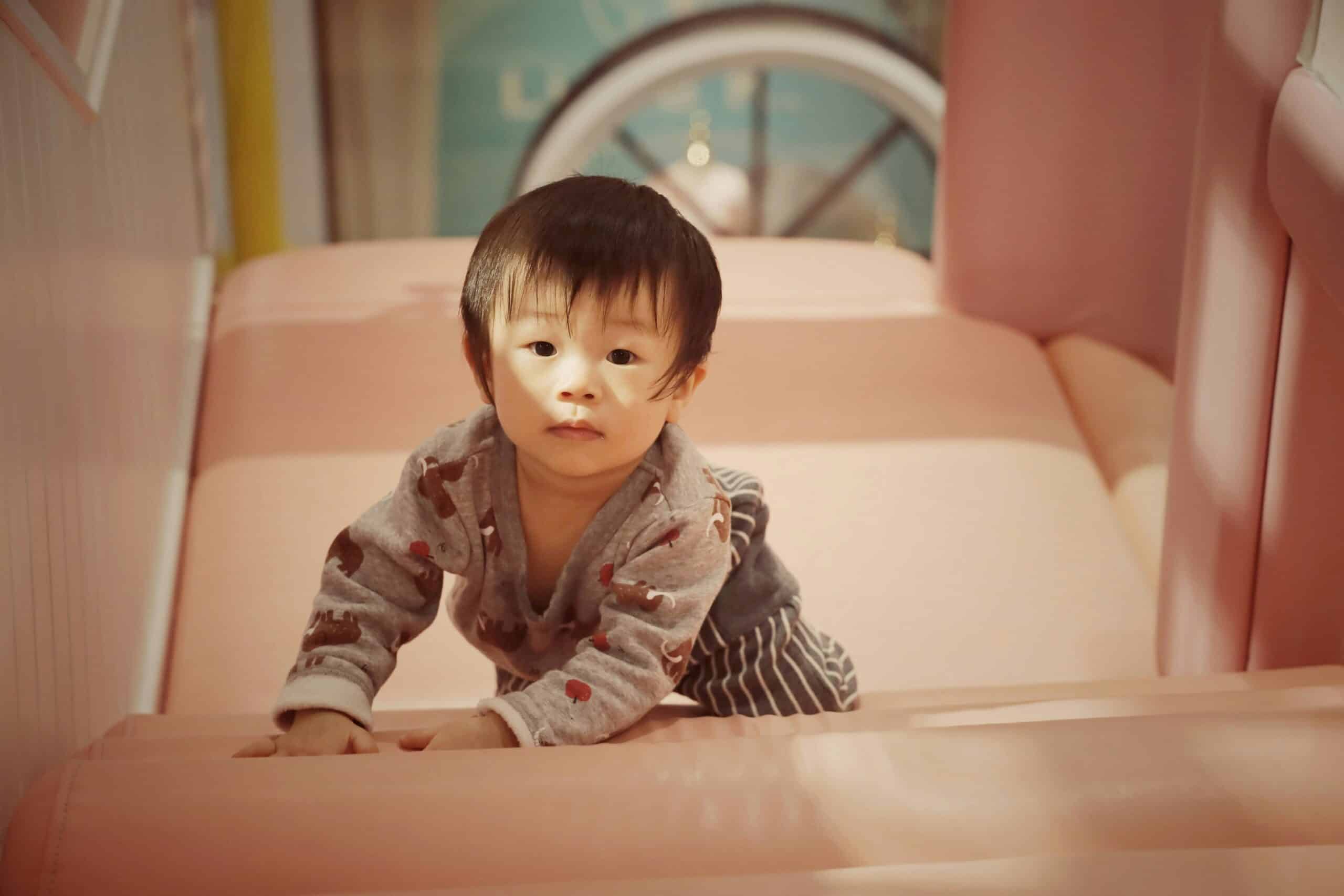
By their first birthday, your child has accomplished a lot! However, the second year of life is equally important for gross motor development. Some milestones you might observe during this time include crawling up stairs, kicking a ball forward, walking independently, and stacking toys. Each of these milestones builds on previous skills, setting the stage for even greater physical and cognitive achievements in the years to come.
2 Years
Finally, as your child reaches the age of two, you’ll likely notice a significant increase in their independence. Milestones to monitor during this stage include walking up stairs independently—albeit slowly—jumping in place with both feet, and kicking a ball with both feet. At this age, your child may also start to enjoy running and climbing, showcasing their growing confidence in their gross motor abilities.
What to Do if Your Child Isn’t Meeting These Milestones
First and foremost, it’s important to reassure yourself that you’re not alone, and it’s not your fault. You are not a bad parent, and your child is not “behind in life.” Each child develops at their own pace, and variations in development are completely normal.
Seek Professional Care
These milestones serve as helpful checkpoints, but if your child is not meeting them, it doesn’t necessarily indicate that something is wrong. However, it can be beneficial to seek professional help. At KinActive, we specialize in pediatric care and therapy intensives, and our mission is to change the landscape of pediatric care worldwide. If you’re concerned about your child’s gross motor development, don’t hesitate to contact us for more information on how we can support your child’s growth.
Need Additional Support?
At KinActive, we understand that every baby develops at their own pace, but we’re here to support you through every stage of your little one’s journey. If you have concerns about your baby’s motor development or are seeking guidance on encouraging more traditional crawling, we can help in a few ways.
- Take a masterclass. Best for parents needing professional guidance from the comfort of their own home.
- Book a Kamp. Best for parents with children experiencing atypical development.
- Book a virtual consultation with our clinic.
We offer comprehensive services designed to support your baby’s physical development, from structured therapy sessions to hands-on advice that you can implement at home. Contact us today to schedule a consultation and help your baby reach their full potential. And don’t forget to follow us on social media for more tips and information on your baby’s development!