W-Sitting in Kids: What It Really Means for Gross Motor Development
About The Author

In This Article
Pediatric Physical Therapy + Chiropractic Care Made Easy
Curious about physical therapy intensives, clinician training, or peer to peer support? Enter your email to get more info.
 4.8 rating
A Pediatric Physical Therapist’s Guide for Parents
If you’ve ever watched your toddler playing on the floor, you’ve probably seen them sit with their knees bent in front of them and their feet tucked out to the sides, forming a “W.”
It often sparks one question from parents:
“Should I be worried?”
The short answer? Not necessarily.
As pediatric physical therapists and pediatric chiropractors, we don’t immediately focus on how your child is sitting. Instead, we ask a much bigger question:
Why does your child choose that position?
Because movement patterns often tell us far more than the position itself.
What Is W-Sitting?
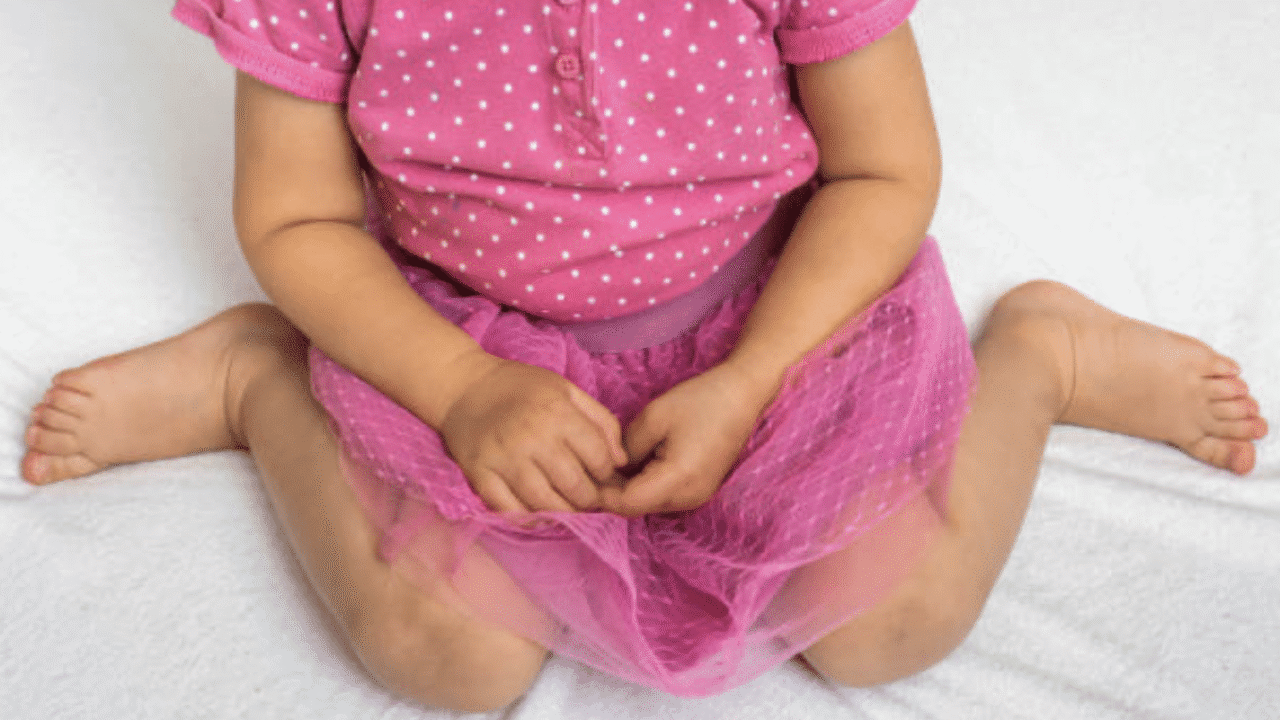
W-sitting is a floor sitting position where a child’s knees point forward while their feet rest outside their hips, creating the shape of a “W.”
It’s a position most commonly seen between ages 2 and 6 while children are playing on the floor.
Occasionally choosing this position is completely normal. In fact, many healthy children naturally move in and out of W-sitting as they explore different ways to play.
The concern isn’t whether your child can W-sit.
It’s whether they almost always do.
Why Do Kids W-Sit?
Children aren’t choosing this position because they’re trying to develop poor posture.
They’re choosing it because it’s easier.
W-sitting creates one of the most stable sitting positions possible.
Instead of relying on their trunk muscles to keep them upright, the position provides built-in support from their legs.
For some children, that’s simply comfortable.
For others, it’s a clue that their body is compensating for something else.
What W-Sitting May Be Telling Us
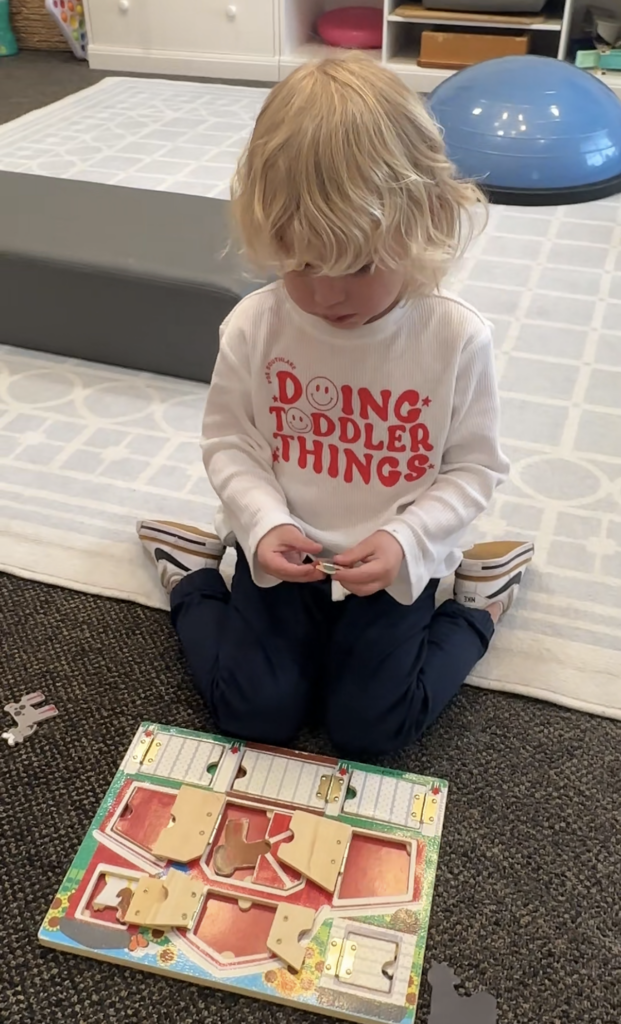
One of the biggest misconceptions is that W-sitting causes developmental problems.
Current research doesn’t support the idea that occasional W-sitting alone causes hip dysplasia or orthopedic issues in otherwise healthy children.
Instead, as pediatric movement specialists, we often view habitual W-sitting as a movement pattern that may reflect underlying challenges such as:
- Reduced core strength
- Poor trunk stability
- Decreased balance reactions
- Limited trunk rotation
- Low muscle tone
- Motor planning difficulties
- Hypermobility or increased joint laxity in some children
In other words…
The position isn’t always the problem.
The reason your child depends on it may be.
Why Core Strength Matters
Think of your child’s core as the foundation for every movement they make.
Strong core muscles allow children to:
- Sit upright without leaning
- Reach across their body
- Climb confidently
- Crawl efficiently
- Maintain balance
- Transition between positions
- Develop coordinated movement patterns
When W-sitting becomes a child’s preferred position, they don’t have to use those muscles nearly as much.
Over time, relying on extra stability instead of building active stability may contribute to delays in developing postural control and coordination.
How W-Sitting Can Affect Gross Motor Development
At KinActive Kids, we evaluate movement as a whole—not isolated milestones.
A child who frequently W-sits may also struggle with:
Balance
They may fall more often, hesitate on uneven surfaces, or avoid playground equipment.
Coordination
They may have difficulty hopping, skipping, jumping, or learning new motor skills.
Trunk Rotation
Because W-sitting limits rotation through the trunk, children may have fewer opportunities to practice crossing midline and shifting weight during play.
Transitions
Moving from sitting to kneeling, crawling, standing, and climbing requires strength and coordination that habitual W-sitting may bypass.
Remember—these aren’t caused by W-sitting itself.
Rather, W-sitting can sometimes be a visible clue that these underlying skills need support.
When Should Parents Be Concerned?
We become more interested when W-sitting is accompanied by other signs, including:
- Your child almost always sits this way
- They resist sitting crisscross or long sitting
- They seem unusually clumsy
- They avoid climbing
- They struggle with balance
- They frequently trip or fall
- They have delayed gross motor milestones
- They have difficulty transitioning between positions
If several of these sound familiar, it’s worth having your child’s movement evaluated.
Should You Constantly Correct Your Child?
Probably not.
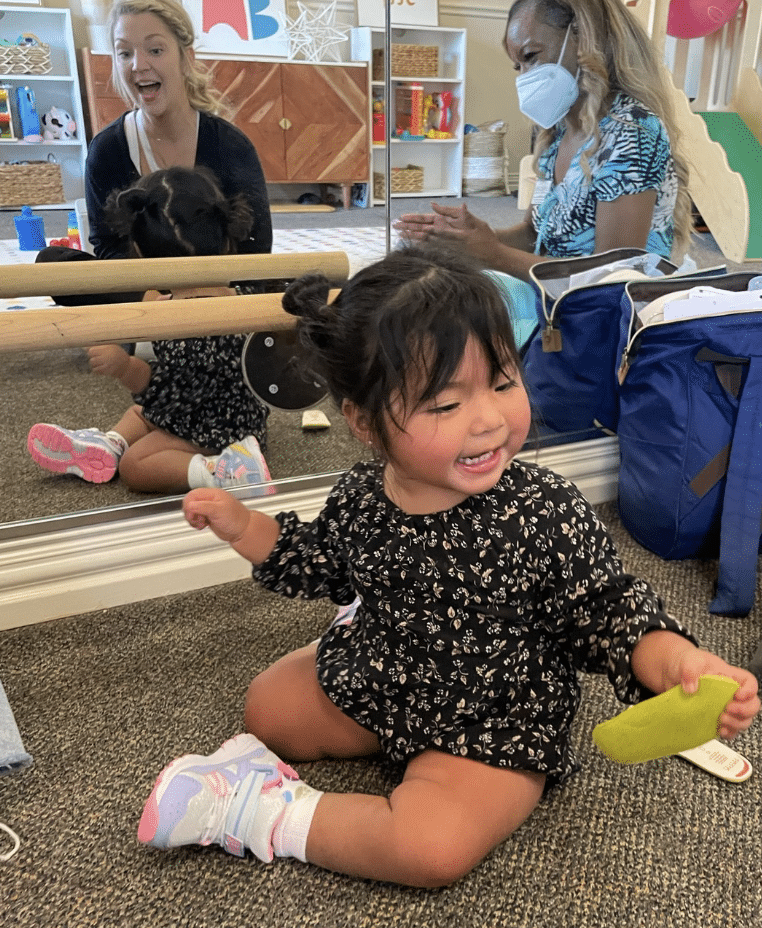
Repeatedly saying “Fix your legs!” doesn’t address why they’re choosing that position in the first place.
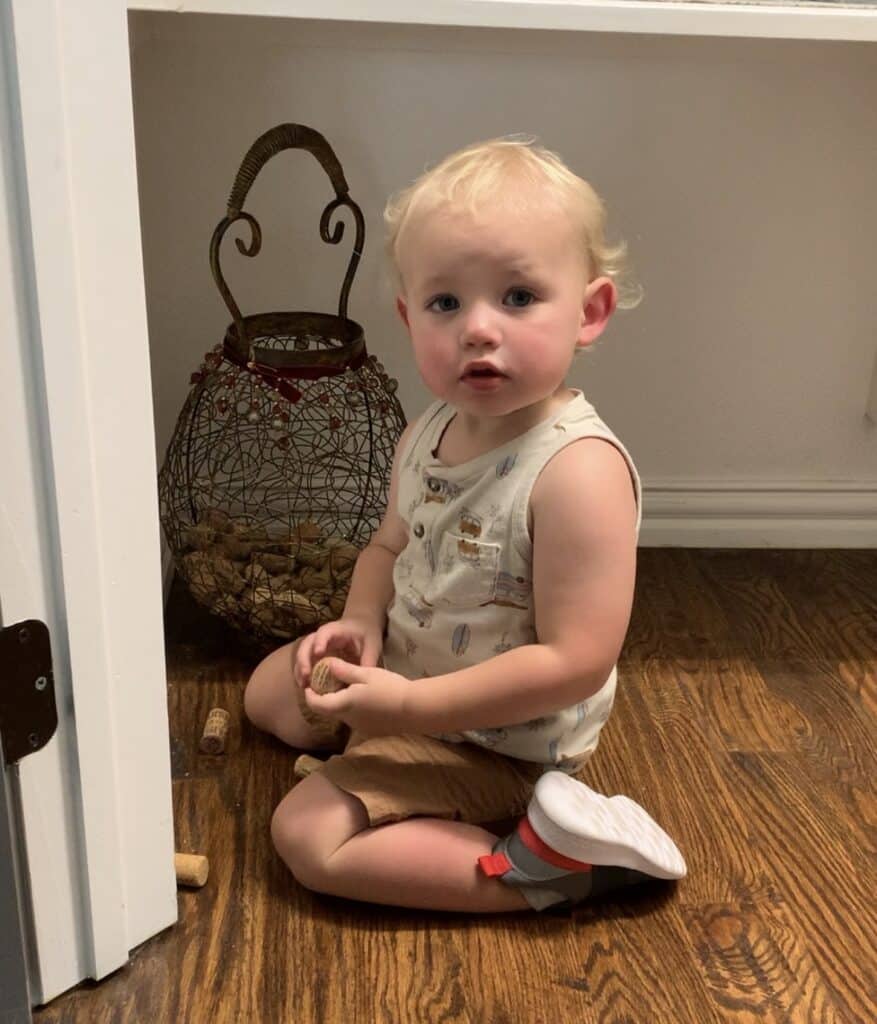
Instead, gently encourage variety.
Try introducing:
- Crisscross sitting
- Side sitting
- Long sitting
- Tall kneeling
- Floor games that involve reaching across the body
- Climbing
- Crawling obstacle courses
- Animal walks
- Playground play
These activities naturally strengthen the muscles children need to feel comfortable in many different positions.
Our Perspective at KinActive Kids
One thing we tell parents every day is this:
Children don’t usually choose the easiest movement because they’re being lazy. They choose it because it’s what their body can control best.
That’s why we never look at W-sitting in isolation.
We look at the entire movement system.
How does your child crawl?
Can they rotate both directions?
How do they climb stairs?
Can they balance on one foot?
How do they transition between positions?
Movement quality tells us far more than a single milestone ever could.
When to See a Pediatric Physical Therapist
If your child consistently prefers W-sitting or you’re noticing challenges with balance, coordination, posture, or gross motor skills, an evaluation can help determine whether there’s an underlying strength, mobility, or motor planning issue.
Early intervention isn’t about correcting a sitting position.
It’s about giving your child the strength, confidence, and movement options they need to participate fully in play, sports, and everyday life.
Need Additional Support?
At KinActive, we understand that every baby develops at their own pace, but we’re here to support you through every stage of your little one’s journey. If you have concerns about your baby’s motor development or are seeking guidance on gross motor milestones, we can help in a few ways.
- Take a masterclass. Best for parents needing professional guidance from the comfort of their own home.
- Book a Kamp. Best for parents with children experiencing atypical development.
- Book a virtual consultation with our clinic.