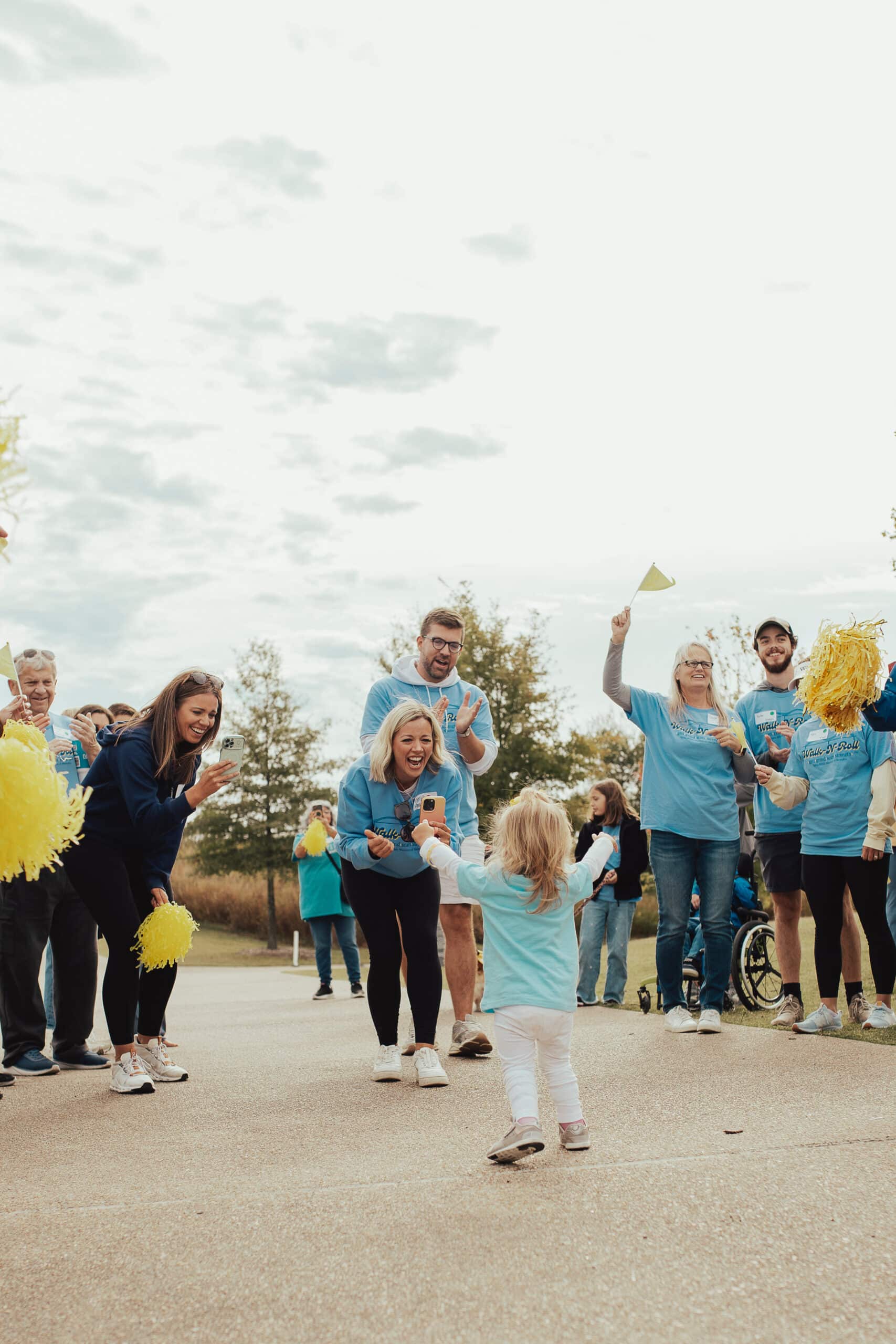
Understanding Angelman Syndrome: Intensive Therapy & Your Child’s Development
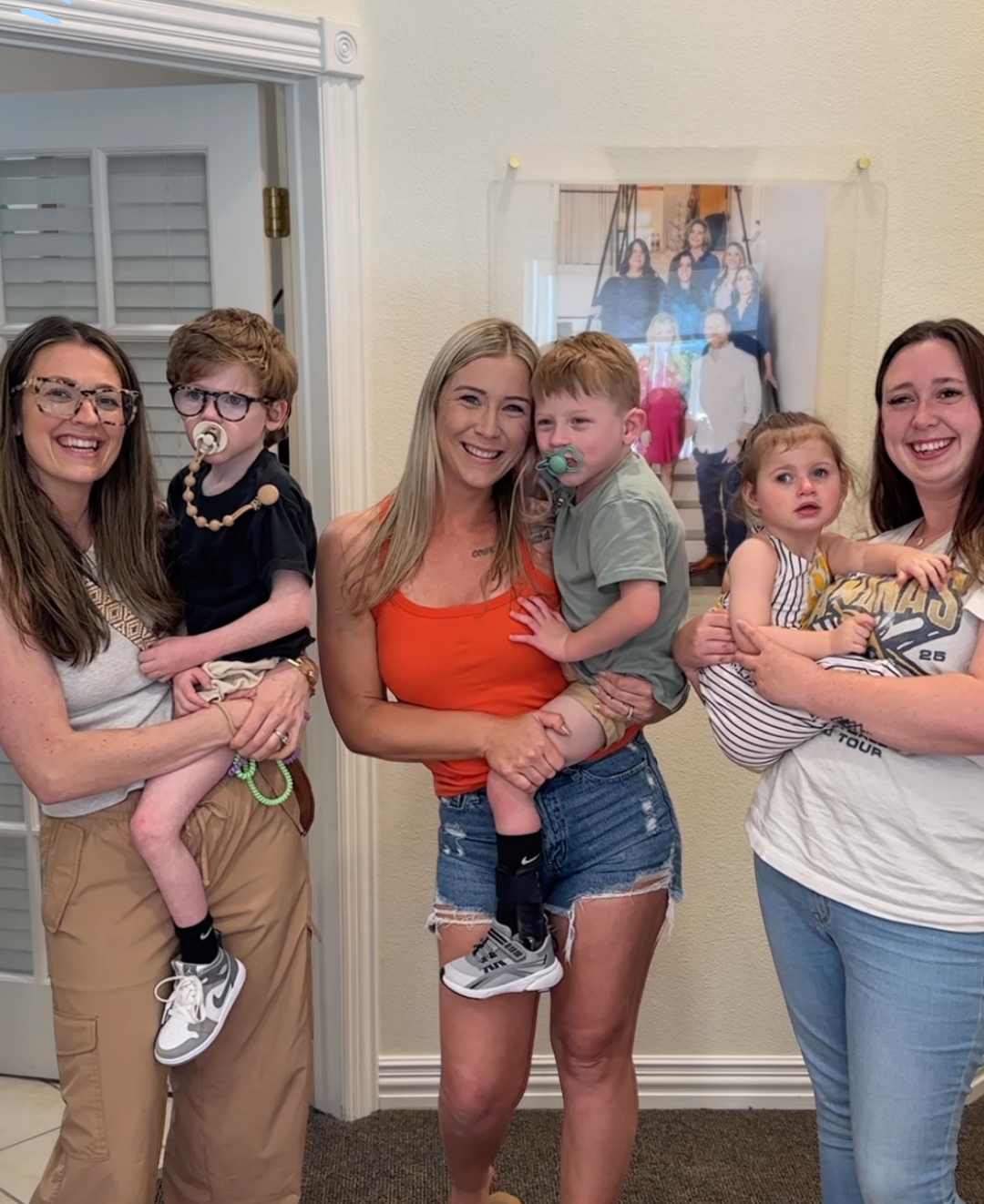
If your child has Angelman syndrome, you already know something that takes the rest of the world too long to see: behind the movement challenges, the sleep struggles, and the communication differences is a person who is joyful, deeply connected, and full of personality. Your child lights up when they see you. They laugh in ways that fill a room. And they’re working harder than most people will ever understand just to do things others take for granted.
What Is Angelman Syndrome?
Angelman syndrome is a rare genetic disorder that affects the nervous system, caused by problems with a specific gene (UBE3A) on chromosome 15. It occurs in about 1 in 12,000 to 20,000 people. Most cases aren’t inherited. They happen spontaneously due to a genetic change.
Children with Angelman syndrome typically have:
• Developmental delays, especially in speech and motor skills
• Movement and balance issues (ataxia), often with a jerky, stiff gait
• Frequent, easily provoked laughter and smiling. While this may seem wonderful, it can also mask other needs
• Seizures (affecting about 80% of individuals)
• Sleep disturbances
• Unique behaviors like hand-flapping, excitability, and a short attention span
Most children with Angelman syndrome do not develop functional speech, though they often understand far more than they can express. Many families use sign language, communication devices, or picture exchange systems to help their child connect and share their thoughts.
How Angelman Syndrome Affects Movement and Daily Life
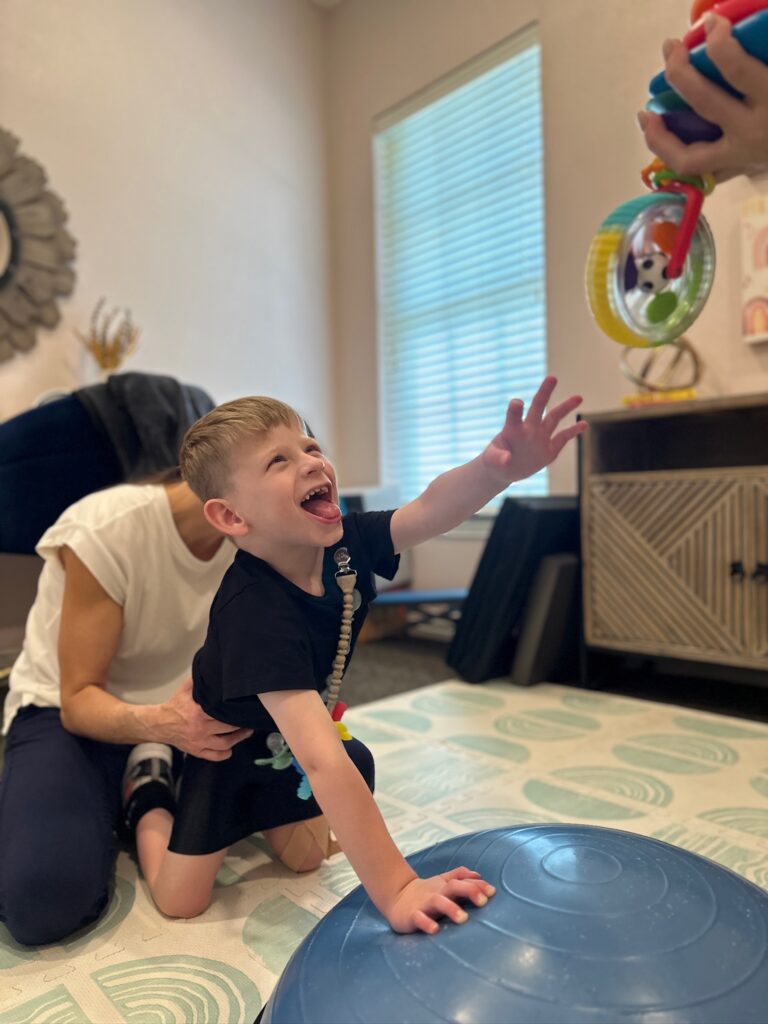
One of the most significant challenges for children with Angelman syndrome is motor development. Low muscle tone (hypotonia) in infancy often gives way to increased stiffness and tremors as they grow. Balance and coordination are affected, making sitting, standing, walking, and fine motor tasks like grasping or feeding themselves much harder.
Many children with Angelman syndrome:
• Walk later than typical peers (often between ages 3 and 7) though some may not walk independently
• Have a wide-based, unsteady gait with arms held up for balance
• Struggle with activities requiring coordination, like climbing stairs, running, or using utensils
These motor challenges don’t just affect movement, they affect participation in play, school, family activities, and building independence. And because communication is also limited, it can be hard for your child to tell you when they’re frustrated, tired, or want to try something new.
Why Traditional Weekly Therapy May Not Be Enough
Most families begin with early intervention services (physical therapy, occupational therapy, and speech therapy) typically once or twice a week. These sessions are valuable and create a foundation. But for many children with Angelman syndrome, weekly therapy isn’t intensive enough to create the rapid, meaningful change families are hoping for.
Here’s why:
• Children with Angelman syndrome need massive amounts of repetition to learn and retain motor skills. One hour a week doesn’t provide that.
• Progress can be slow and inconsistent, with skills plateauing for months or even years.
• The neurological differences in Angelman syndrome mean the brain needs concentrated, focused input to build and strengthen motor pathways.
If you’ve been doing weekly therapy for months or years and feel stuck, you’re not imagining it and it’s not that your child can’t improve. It’s that they need a different intensity of intervention.
The Power of Intensive Therapy for Angelman Syndrome
Intensive therapy offers a fundamentally different approach. Instead of one scattered hour per week, your child receives several hours of focused, high-quality therapy each week (typically for over 2–4 weeks). This concentrated practice allows the brain to build and strengthen new neural pathways in ways that weekly therapy simply cannot.
Research and clinical experience with intensive therapy for children with neurological conditions like Angelman syndrome show:
• Faster motor skill acquisition; children often achieve milestones in weeks that might have taken months or years otherwise
• Improved balance, coordination, and strength
• Greater independence in daily activities
• Gains that are maintained over time when combined with a home program
For children with Angelman syndrome specifically, intensive therapy can help:
• Improve postural control and core strength
• Work toward or refine walking skills
• Develop better hand function for feeding, play, and communication device use
• Build confidence and willingness to move and explore
The repetition, frequency, and individualized attention in an intensive program create an environment where breakthroughs happen.
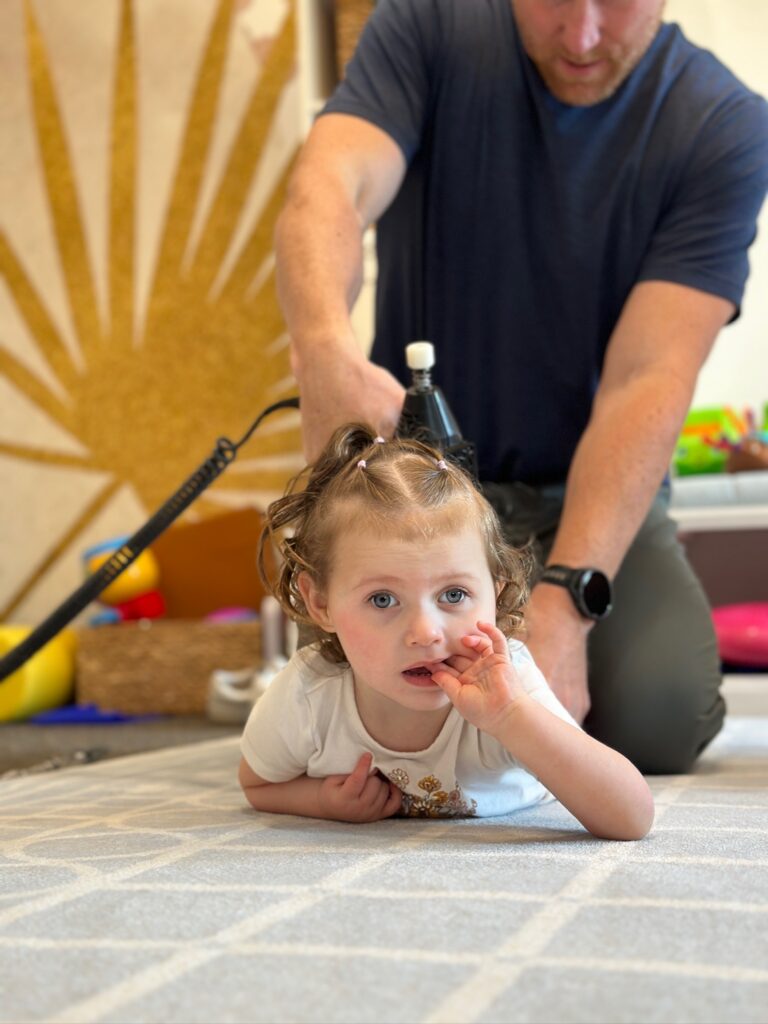
KinActive Kamp: Intensive Therapy for Children With Angelman Syndrome
At KinActive, we understand that children with Angelman syndrome need more than standard weekly sessions. That’s why we created our own intensive program (KinActive Kamps). These combine pediatric physical therapy with pediatric chiropractic care to address both the neurological and musculoskeletal needs unique to Angelman syndrome.
Our approach:
• Pediatric physical therapy builds strength, balance, coordination, and functional motor skills through play-based, motivating activities.
• Pediatric chiropractic care supports spinal alignment and brain-body connection while reducing joint restrictions and muscle compensations.
This combination is especially powerful for Angelman syndrome because it addresses the whole system, not just the muscles.
Every Kamp is fully individualized and delivered 1:1. We meet your child where they are and build a plan around your family’s goals.
Is Intensive Therapy Right for Your Child With Angelman Syndrome?
Intensive therapy may be a good fit if:
• Your child has Angelman syndrome and is experiencing motor delays or plateaus
• You feel like weekly therapy isn’t creating the progress you’d hoped for
• Your child is working on a specific motor goal like sitting, standing, and/or walking
• You want to take advantage of your child’s neuroplasticity with a concentrated burst of therapy
Your child with Angelman syndrome is joyful, resilient, and capable of more than you may have been told. Intensive therapy won’t “cure” Angelman syndrome, but it can open doors. It can help your child move more independently, participate more fully, and experience the world with greater confidence.
If you’re ready to explore whether KinActive Kamp could help your child reach their next milestone, we’re here to answer your questions, listen to your concerns, and build a plan that honors your child’s unique strengths and challenges. You don’t have to navigate this alone.
Need Additional Support?
At KinActive, we understand that every baby develops at their own pace, but we’re here to support you through every stage of your little one’s journey. If you have concerns about your baby’s motor development or are seeking guidance on encouraging more traditional crawling, we can help in a few ways.
- Take a masterclass. Best for parents needing professional guidance from the comfort of their own home.
- Book a Kamp. Best for parents with children experiencing atypical development.
- Book a virtual consultation with our clinic.
We offer comprehensive services designed to support your baby’s physical development, from structured therapy sessions to hands-on advice that you can implement at home. Contact us today to schedule a consultation and help your baby reach their full potential. And don’t forget to follow us on social media for more tips and information on your baby’s development!