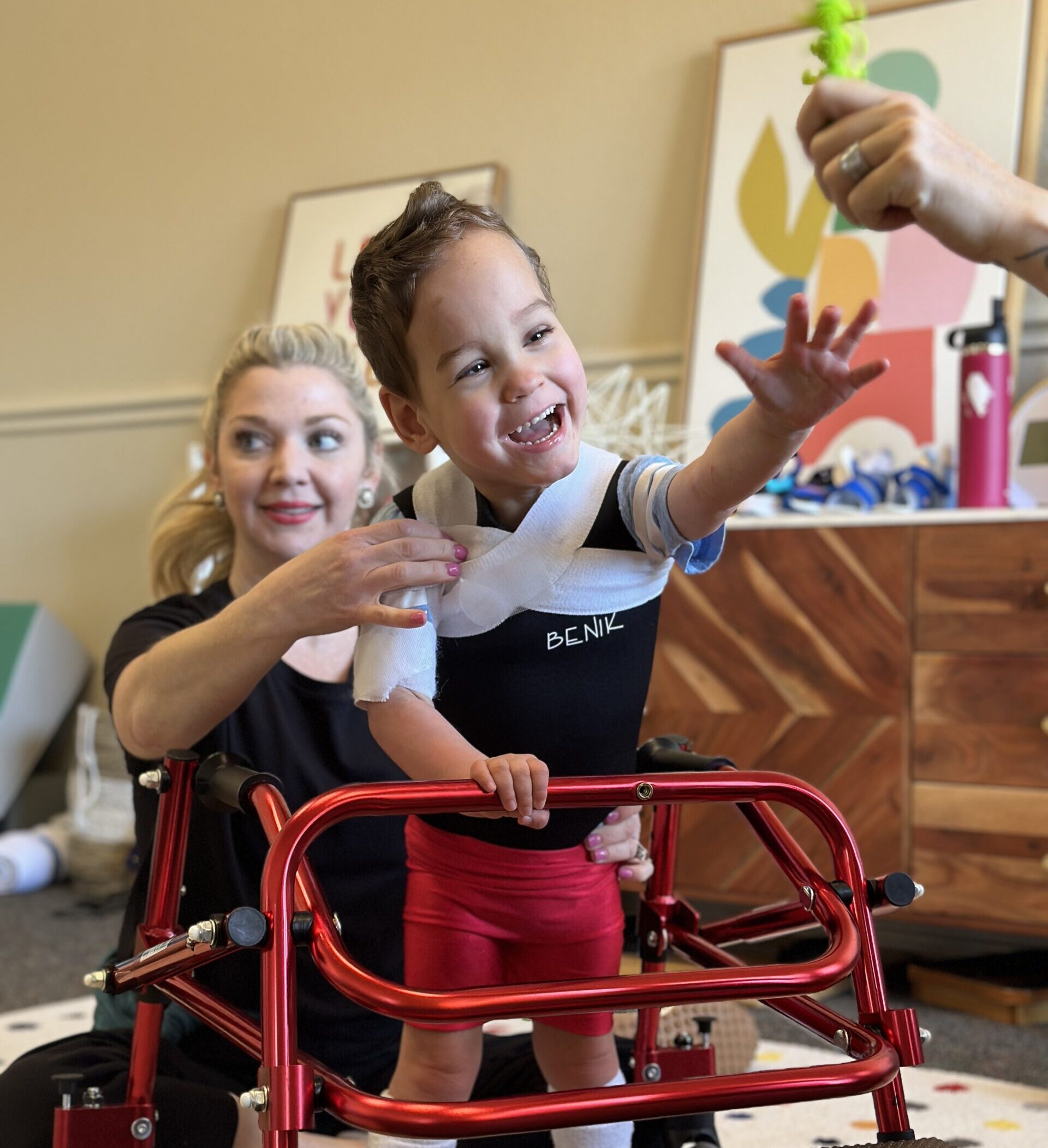
Understanding Down Syndrome: Intensive Therapy & Your Child’s Development
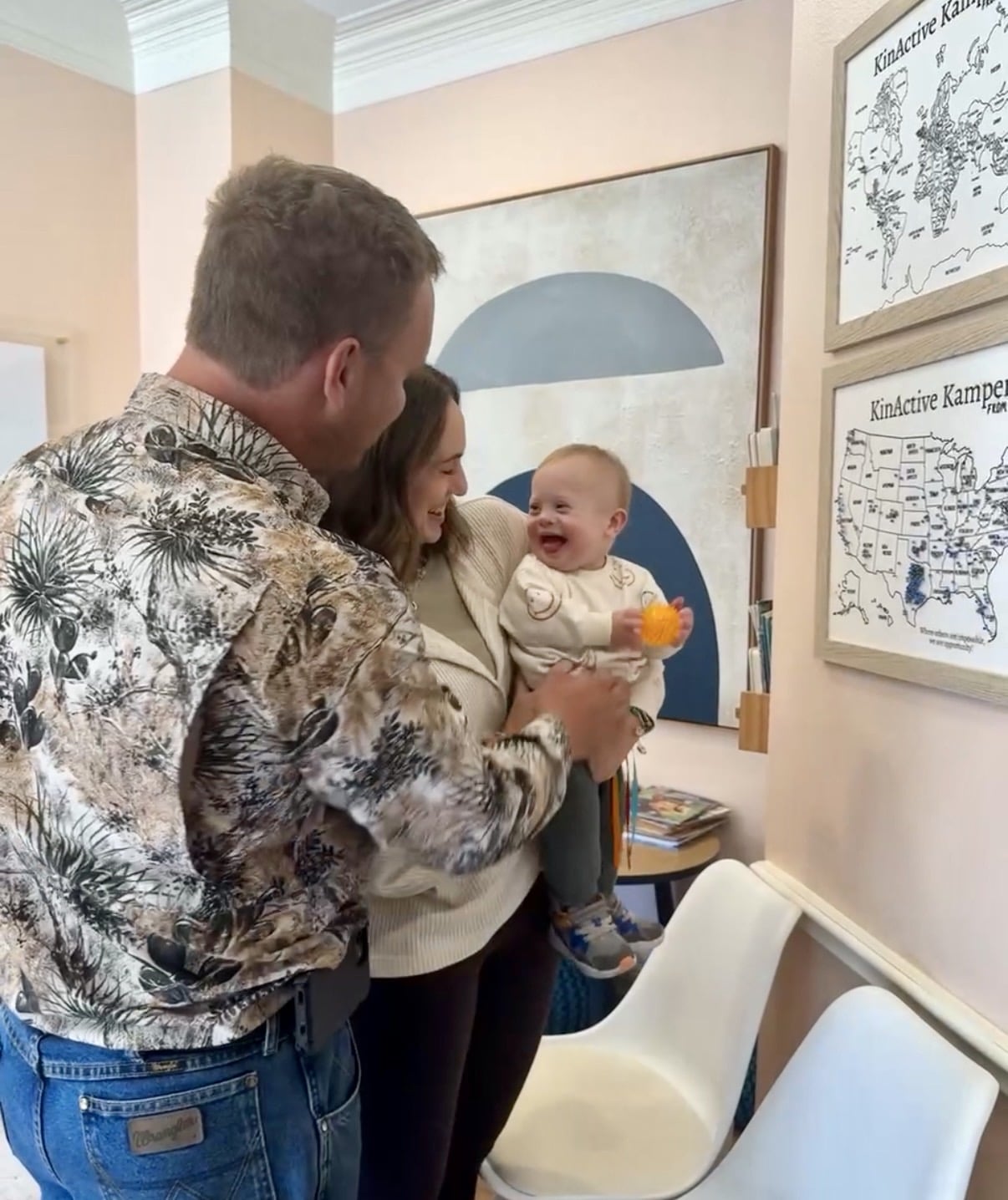
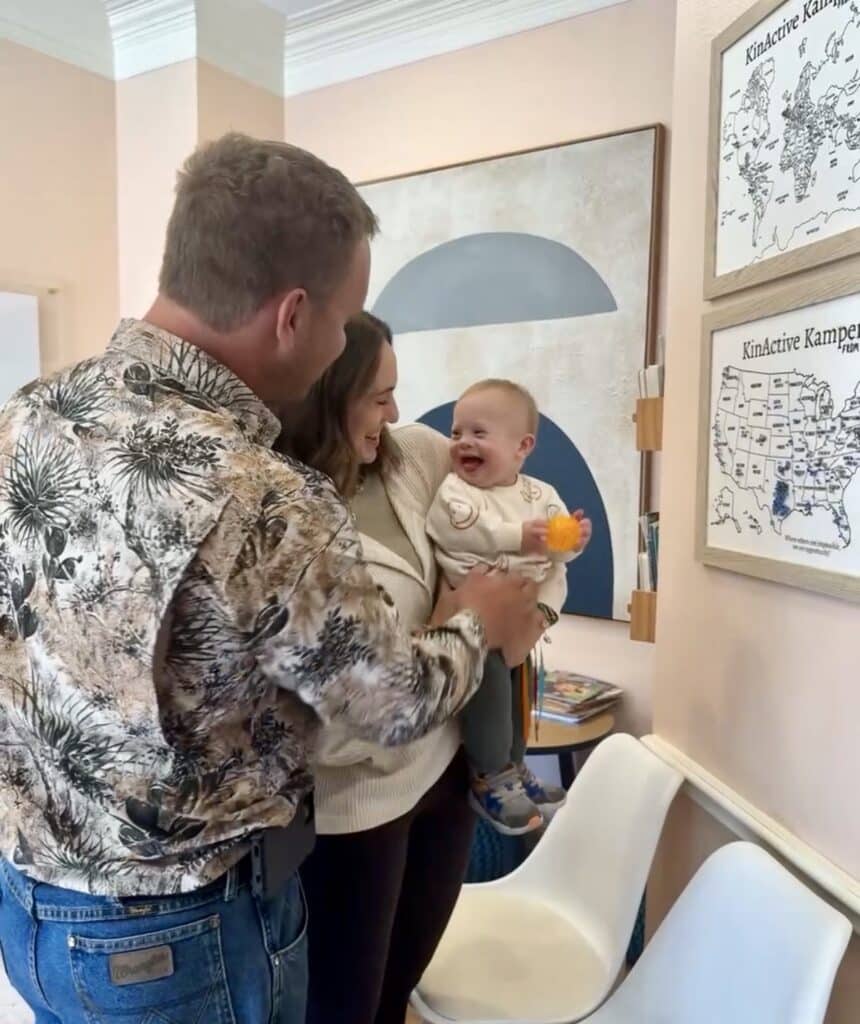
If your child has Down syndrome, you already know this: they are so much more than a diagnosis. They are the way their eyes light up when you walk into the room, the little sounds they make when they’re excited, the quiet determination you see when they’re trying something hard. Down syndrome changes the way your child develops, but it does not erase their potential.
If you’re wondering: What should we be doing? How can we support their motor skills? Are intensive therapy programs, like our KinActive Kamp, really worth it? This blog is for you.
Understanding Down Syndrome and Motor Development
Down syndrome is a genetic condition caused by an extra copy of chromosome 21. It affects how the brain and body develop, including muscles, joints, and coordination. Children with Down syndrome typically reach milestones like sitting, crawling, walking, and talking on a slower timeline than their peers, but that doesn’t mean they aren’t learning and growing all along the way.
Several features of Down syndrome contribute to motor delays:
• Low muscle tone (hypotonia): Muscles feel softer and less resistant, making it harder to hold posture and move against gravity.
• Joint laxity: Flexible joints can make it difficult to stabilize the body for crawling, standing, or walking.
• Balance and coordination challenges: Differences in brain and cerebellar development can affect coordination and motor planning.
These traits don’t mean your child can’t learn to move well; they just mean they usually need more time, more repetition, and more intentional support.
What Motor Milestones Look Like in Down Syndrome
You may already have had the experience of comparing milestone charts and feeling your stomach drop. Typical timelines often don’t match what you’re seeing at home, and that can be incredibly stressful. It helps to know that there are milestone ranges specific to Down syndrome. They’re wider in age ranges, but still show progress moving forward.
For example, research and clinical scales for children with Down syndrome show:
• Sitting independently may happen anywhere from about 6 to 16 months (compared to around 5–9 months in typically developing children).
• Standing independently can emerge between 12 and 38 months.
• Walking independently may occur between 13 and 48 months, with an average around 23 months.
• Fine motor skills like transferring toys between hands or stacking blocks are also delayed, often by several months to a year.
These ranges are normal for Down syndrome. A delay doesn’t mean your child is “behind” in a way that can’t be helped. It means that we have a clear target for therapy and a structured way of building support for them.
Why Early Intervention Matters So Much
The first years of life are a window of enormous possibility. Your child’s brain is highly adaptable, meaning it is constantly forming and reshaping connections in response to what they practice and experience. This concept, called neuroplasticity, is especially powerful in early childhood.
For children with Down syndrome, early intervention focuses on:
• Building postural control so your child can hold their head, sit, and eventually stand and walk.
• Supporting fine motor skills, like grasping, releasing, and using both hands together in midline.
• Enhancing communication, from early sounds and gestures to words and phrases.
• Encouraging social and adaptive skills, like feeding themselves, using a cup, and participating in daily routines.
Studies and clinical experience show that early, consistent therapy can:
• Improve overall development and motor coordination.
• Support speech and language.
• Reduce compensatory, inefficient movement patterns (like extreme “W-sitting” or poor alignment) that can cause problems later.
• Boost your child’s independence and self-esteem.
The Big Idea: starting early is less about “fixing” something and more about giving your child every possible advantage while their brain and body are most ready to respond.
Where Weekly Therapy Falls Short
Most families begin with traditional early intervention. Usually one or two 30–60 minute therapy sessions per week. These services matter. But over time, many parents notice a pattern: their child makes small gains, then stalls; skills are “almost there,” but don’t quite stick.
There are some reasons for this:
• Children with Down syndrome often need more repetitions than typical peers for a skill to become consistent.
• Long gaps between sessions make it easy for fragile new skills to fade.
• One hour a week doesn’t always provide enough intensity to overcome low tone, joint laxity, and coordination challenges.
If you feel like your child is constantly working hard for very small changes, it may not be that they’re “not ready,” it may be that the dose of therapy simply isn’t high enough for their nervous system.
That’s where intensive therapy comes in.
How Intensive Therapy Helps Children With Down Syndrome
Intensive therapy programs dramatically increase the frequency and repetition of high-quality practice. Instead of once a week, your child might participate in several hours of focused therapy per day for 2–4 weeks. This concentrated “burst” of input is exactly what the brain uses to strengthen new motor and cognitive pathways.
Emerging evidence and clinical reports suggest that intensive, multidisciplinary programs for children with neurological and developmental conditions, including Down syndrome, can:
• Improve gross motor skills such as sitting balance, standing, and walking.
• Enhance coordination, proprioception (body awareness), and balance.
• Boost daily living skills like feeding, dressing, or using the bathroom with more independence.
• Support attention, executive functions, and participation in school and community activities.
Parents often describe intensive blocks as the time when “things finally click.” They get that push from almost sitting to stable sitting or from cruising to taking independent steps.
KinActive Kamp: Intensive Therapy Designed for Your Child With Down Syndrome
KinActive Kamp was created for children who need more than “wait and see.” For kids with Down syndrome, we focus on the specific movement and developmental challenges tied to low tone, joint laxity, and coordination differences and we turn them into actionable therapy targets.
Our intensives combine:
• Pediatric physical therapy to build strength, postural control, balance, walking skills, and gross motor confidence.
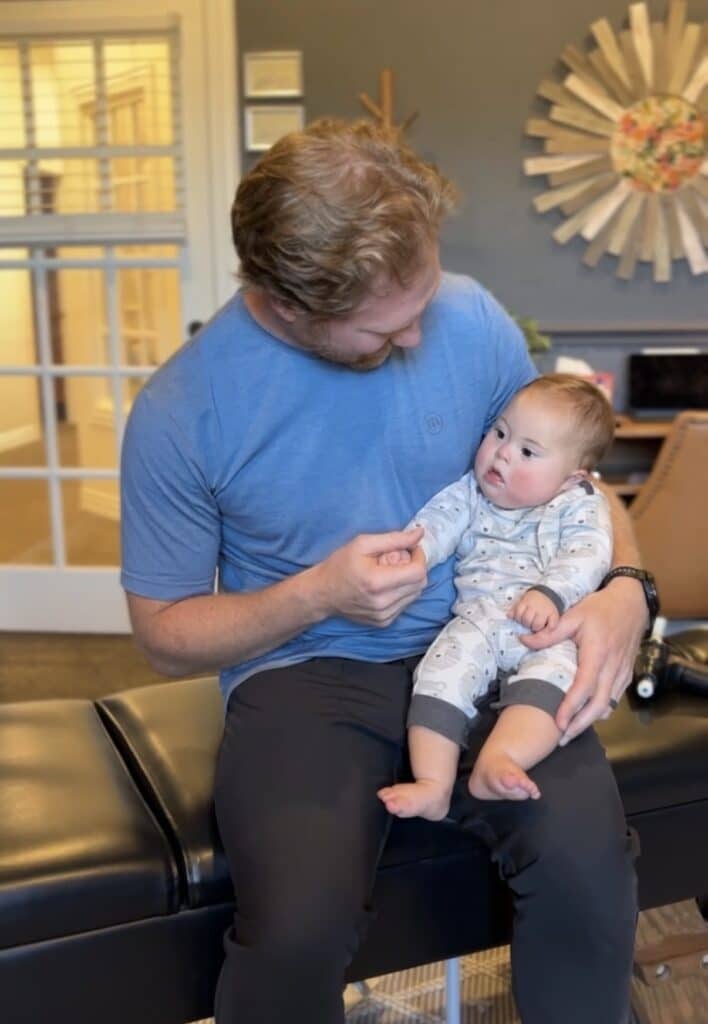
• Pediatric chiropractic care to support alignment, joint awareness, and nervous system function.
By combining these disciplines we can give your child’s muscles and brain the best chance to work together efficiently.
This integrated approach aims to:
• Improve core strength so sitting, standing, and stepping are less effortful.
• Support proper alignment and reduce strain on joints that are already more flexible.
• Encourage efficient, safe movement patterns rather than compensations that can cause pain or orthopedic issues later.
• Help your child participate more fully in play, family life, and community activities.
Every Kamp is 1:1 and personalized. We look at where your child is right now (whether they’re working on head control, crawling, walking, or refining balance and stairs) and build a plan around your specific goals and their unique abilities.
Is Intensive Therapy Right for Your Child With Down Syndrome?
Intensive therapy may be a good fit if:
• Your child has Down syndrome and significant low tone or joint laxity affecting movement.
• Milestones like sitting, crawling, or walking are coming, but very slowly; or have plateaued.
• Weekly therapy helps, but gains are small and fade quickly.
• You want to take advantage of your child’s early developmental window with a “boost” of focused input.
KinActive typically serves children from infancy through early childhood, focusing on functional milestones rather than age alone. If your child is working hard but not quite breaking through to the next level, an intensive may be exactly the shift they need.
You don’t have to figure all of this out on your own. It’s okay to feel worried. It’s okay to grieve the expectations you had and still fight fiercely for the future your child deserves. Reaching out for more help, like asking if an intensive Kamp might be right for your child, is not a sign that you’re failing them. It’s a sign that you’re showing up, again and again, in the most powerful way a parent can.
If you’re ready to explore whether KinActive Kamp can help your child with Down syndrome build strength, skills, and confidence faster, we’re here to listen, answer questions, and walk this road with you.
Need Additional Support?
At KinActive, we understand that every baby develops at their own pace, but we’re here to support you through every stage of your little one’s journey. If you have concerns about your baby’s motor development or are seeking guidance on encouraging more traditional crawling, we can help in a few ways.
- Take a masterclass. Best for parents needing professional guidance from the comfort of their own home.
- Book a Kamp. Best for parents with children experiencing atypical development.
- Book a virtual consultation with our clinic.
We offer comprehensive services designed to support your baby’s physical development, from structured therapy sessions to hands-on advice that you can implement at home. Contact us today to schedule a consultation and help your baby reach their full potential. And don’t forget to follow us on social media for more tips and information on your baby’s development!