The 6 P’s of Independent Sitting: A Pediatric PT’s Guide to Helping Your Baby Sit
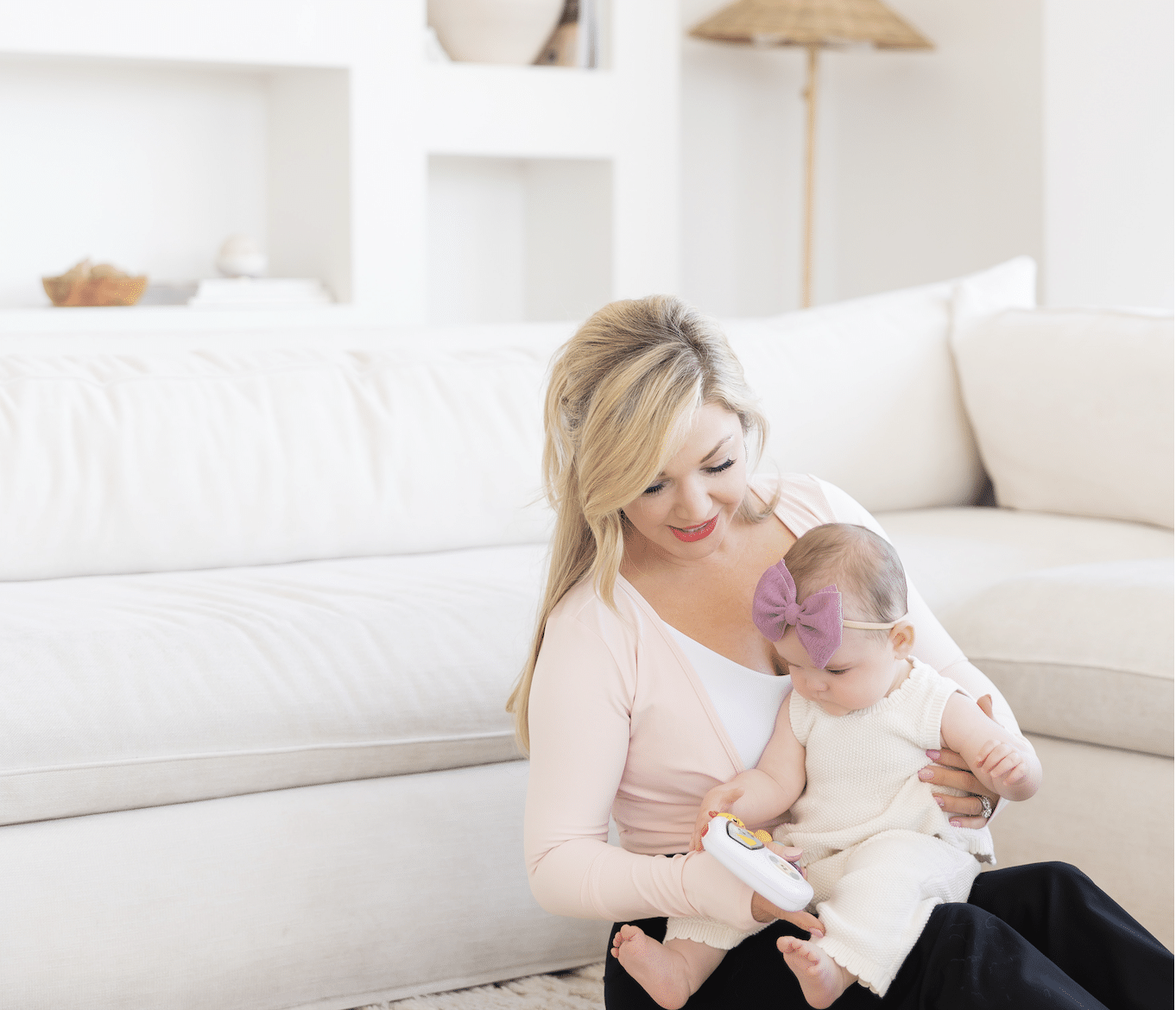
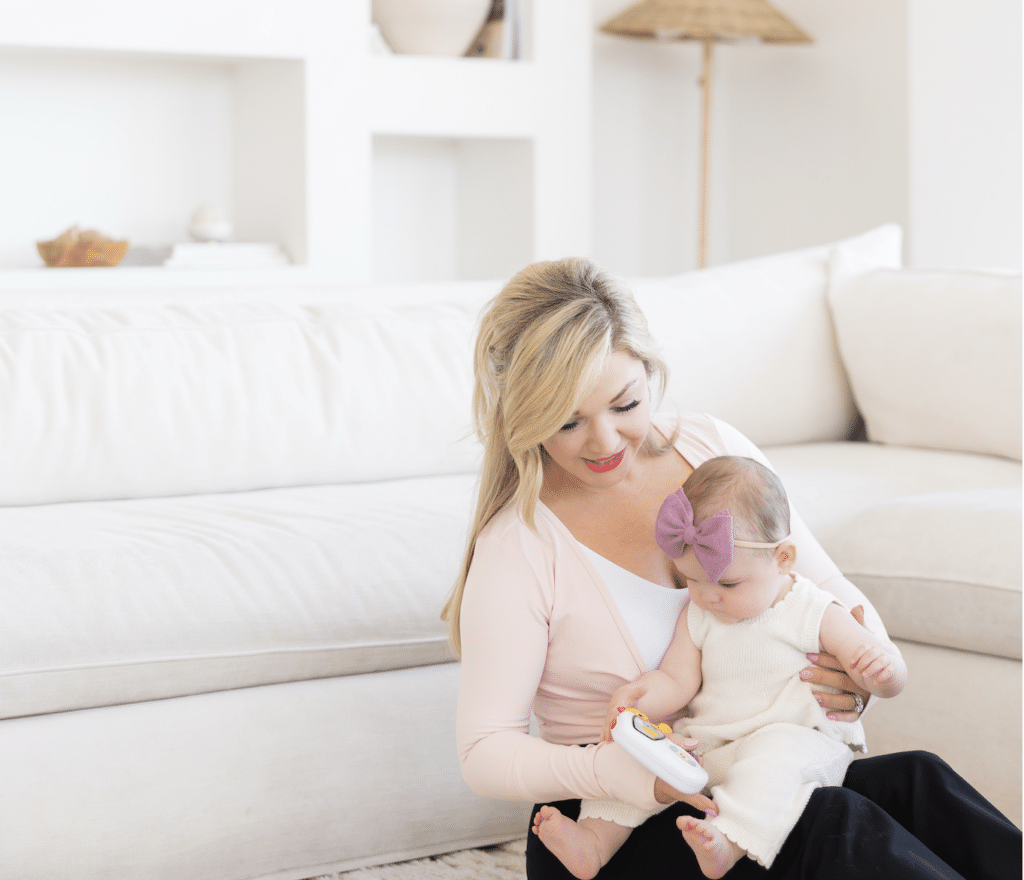
Independent sitting is one of the most exciting milestones in your baby’s first year. It usually develops between 6–8 months, but the strength and coordination needed for sitting start building much earlier.
From a pediatric physical therapy perspective, sitting isn’t just about placing a baby upright. It requires core strength, balance, protective reactions, and body awareness.
That’s why we teach parents the 6 P’s of Independent Sitting, simple play-based strategies that help babies develop the skills needed to sit confidently and safely.
If your baby is around 4–8 months, these activities can support their sitting development.
Why Sitting Matters for Motor Development
Independent sitting helps babies develop the foundation for many future milestones. When babies learn to sit, they build:
- Core strength
- Trunk control
- Balance reactions
- Shoulder stability
- Freedom to explore toys and their environment
Strong sitting skills support later milestones like crawling, pulling to stand, and walking.
The 6 P’s of Independent Sitting
1. Protective Reactions
Learning how to catch themselves
Protective reactions help babies put their hands out to stop a fall. These reactions are essential for safe sitting and balance.
Try this:
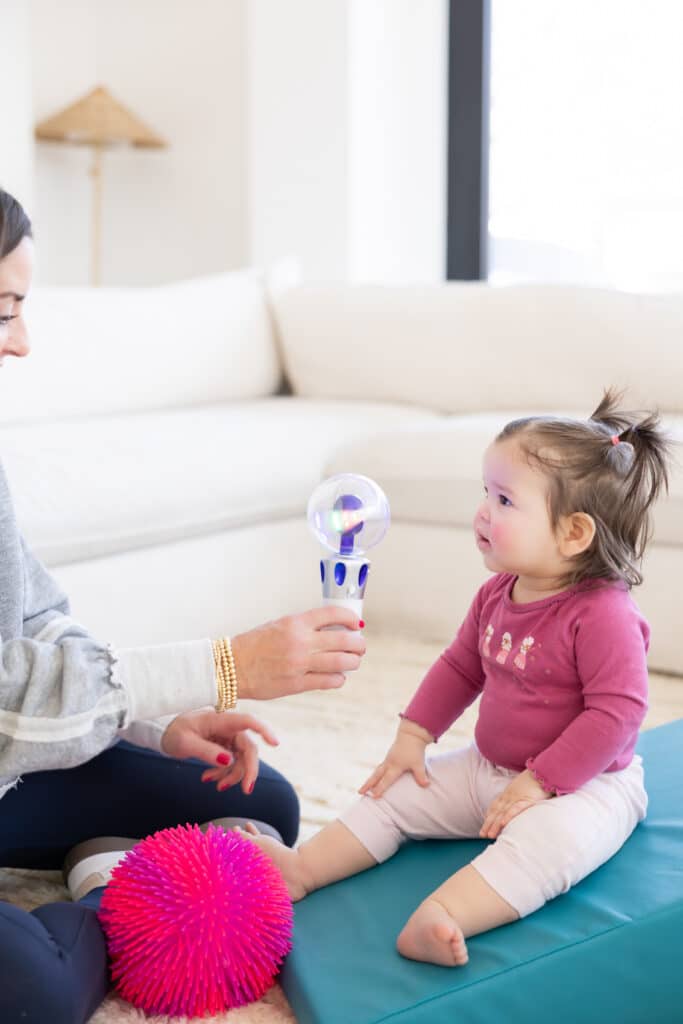
Place toys slightly to the side while your baby sits so they reach and learn to catch themselves with their hands.
2. Prop Play
The early stage of sitting
Many babies begin sitting with their hands propped on the floor between their legs. This position helps them stabilize while building core strength.
Try this:
Place toys directly in front of your baby while they sit with their hands on the floor for support.
3. Perch Play
Building trunk strength
Perch sitting involves placing your baby on a slightly elevated surface (like your leg) with their feet supported. This position encourages upright posture and trunk engagement.
Try this:
Sit your baby on your leg or a firm cushion and place toys at eye level to encourage upright play.
4. Plank Play
Strengthening the core and shoulders
Strong core and shoulder muscles help babies maintain an upright sitting position.
Try this:
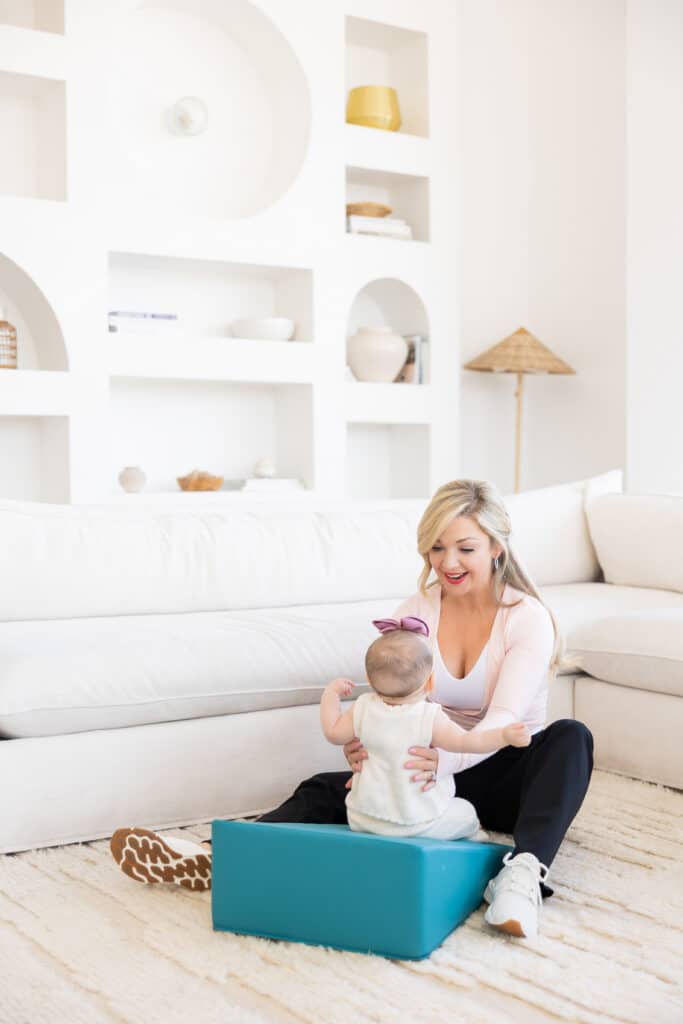
Encourage tummy time where your baby pushes up through straight arms or reaches for toys while weight-bearing through their hands.
5. Praise and Play
Confidence encourages movement
Babies are more likely to practice new skills when they feel encouraged.
Try this:
Celebrate small wins like catching themselves or sitting a little longer. Positive feedback motivates babies to keep practicing.
6. Play with Feet
Activating the core
When babies grab their feet, they activate important core muscles that support sitting balance.
Try this:
Encourage games where your baby brings their feet to their hands or explores toys near their feet.
Signs Your Baby Is Getting Close to Sitting
You may notice your baby:
- Sitting briefly before tipping over
- Catching themselves with their hands
- Reaching for toys while sitting
- Playing with their feet
- Pushing up strongly during tummy time
These are all signs their body is preparing for independent sitting.
When to Seek Support
Every baby develops at their own pace, but you may want to check in with a pediatric professional if your baby:
- Cannot sit with support by 6 months
- Always falls straight backward or sideways
- Avoids weight through their arms
- Seems very stiff or very floppy when sitting
Early support can help babies build the strength and coordination needed for future milestones.
The Takeaway for Parents
Independent sitting develops through practice, strength, and playful exploration.
By incorporating the 6 P’s of Sitting, Protective Reactions, Prop Play, Perch Play, Plank Play, Praise and Play, and Play with Feet, you help your baby build the foundation for confident sitting and future movement milestones.
And the best part? Most of this learning happens through simple, everyday play on the floor.
Need Additional Support?
At KinActive, we understand that every baby develops at their own pace, but we’re here to support you through every stage of your little one’s journey. If you have concerns about your baby’s motor development or are seeking guidance on encouraging more traditional crawling, we can help in a few ways.
- Take a masterclass. Best for parents needing professional guidance from the comfort of their own home.
- Book a Kamp. Best for parents with children experiencing atypical development.
- Book a virtual consultation with our clinic.
We offer comprehensive services designed to support your baby’s physical development, from structured therapy sessions to hands-on advice that you can implement at home. Contact us today to schedule a consultation and help your baby reach their full potential. And don’t forget to follow us on social media for more tips!